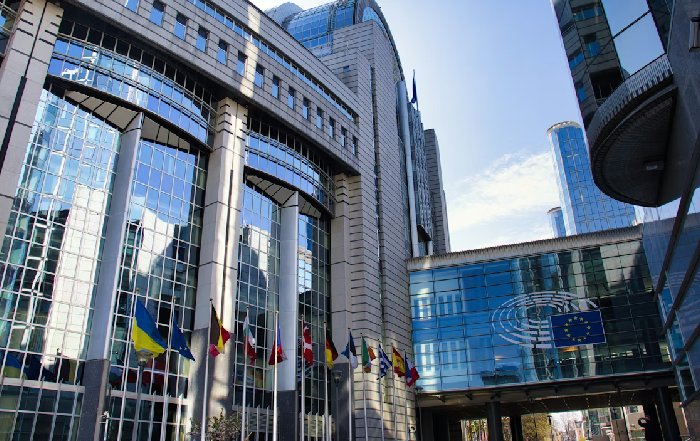

Risks of Extreme Weather and Climate Change on Businesses Globally

Last updated by Editorial team at tradeprofession.com on Monday 6 October 2025
Risks of Extreme Weather and Climate Change on Businesses Globally

In the evolving environment, TradeProfession.com presents this in-depth perspective on how extreme weather and climate change are influencing global business risk — and what leading firms must do to preserve continuity, value, and resilience. This article examines physical, operational, financial, regulatory, reputational, and strategic risks, complemented by illustrative cases, best practices, and a roadmap for business decision-makers seeking to align with principles of trustworthiness, expertise, and long-term sustainability.

The Escalating Context: Why Climate Risk Demands Boardroom Attention

Extreme weather events once seen as statistical outliers are now recurring with alarming regularity and severity, largely driven by anthropogenic climate change. The Global Risks Report 2025 identifies environmental risks, including climate hazards, as central systemic threats over short, medium, and long horizons. The Allianz Risk Barometer 2025 ranks climate change as the highest-ever concern for companies in terms of physical damage and business interruption, reflecting an urgent shift in how corporate leaders must think about risk. An FM Global survey reveals that 62% of risk decision-makers report having experienced at least one severe disruption from extreme weather over the past three years, yet many companies remain underprepared.

These signals underscore that climate risks cannot be relegated to corporate social responsibility (CSR) portfolios. They must be integrated into enterprise risk management (ERM), strategic planning, capital allocation, and corporate governance frameworks — especially for companies operating across vulnerable geographies or in climate-sensitive sectors.

The Climate Risk Index (CRI 2025) illustrates the human and economic toll of realized climate impacts: from 1993–2022, over 765,000 lives were lost and nearly USD 4.2 trillion in direct economic losses were recorded, through over 9,400 extreme weather events. Meanwhile, the cost of climate change is increasingly manifest in insured losses: the U.S. alone has recorded more than 400 “billion-dollar” weather and climate disasters to 2024.

Given these trends, a purposeful, authoritative approach to climate resilience is not optional for forward-looking executives: it is a strategic imperative.

Typology of Climate Risks for Business

To understand exposure, business leaders must break down climate risks into interconnected dimensions. These risk categories inform how a company assesses, quantifies, mitigates, and discloses its vulnerability.

Physical Risk

Acute (event-driven) risks arise from storms, floods, wildfires, heatwaves, droughts, and cyclones. These events can damage assets, disrupt operations, and shut down supply chains.Chronic (long-term) risks include sea-level rise, changing precipitation patterns, persistent heat stress, and shifts in ecosystem services (e.g. water availability, biodiversity loss).

Physical risks first attack the built environment — factories, warehouses, data centers, ports, and critical infrastructure — and then cascade through logistics, procurement, and workforce systems.

For instance, in mid-2025, central Texas experienced unprecedented flash flooding, with meteorological analysis showing that rainfall amounts were up to 7% wetter compared to analogous historical events, and that natural variability alone could not explain the magnitude of the event. Elsewhere, January 2025 in Southern California saw wildfires exacerbated by drought and wind conditions, with scientists attributing the intensification to anthropogenic climate drivers.

A recent academic study (March 2025) demonstrates a statistically significant negative impact of extreme high temperatures (above 30 °C) on corporate asset valuation, particularly for manufacturing and heavy industry sectors. Thus, companies must view physical risk not just as episodic damage, but as a recurrent drag on asset value, insurance costs, and continuity.

Operational & Supply Chain Risk

Business operations can be destabilized by climate shocks in three dimensions:

Disruption of critical inputs (e.g. water scarcity affecting cooling, power generation, or agricultural inputs).

Interruptions in logistics and distribution, when roads, ports, or railways flood or collapse.

Labor productivity losses during heatwaves, storms, or pollution events that impede worker health, attendance, or safety.

A World Economic Forum analysis warns that fixed asset losses from climate hazards could reduce annual earnings by 6.6–7.3% by 2035 for the “average company,” climbing to 9.9–12.8% by 2055 in more extreme scenarios. Telecoms, utilities, and travel industries face particularly steep exposure.

The interdependencies in global supply chains mean that a hurricane in one region may ripple across continents, delaying component delivery, altering trade routes, and spiking costs. Behind the scenes, supply chain resilience — beyond simple dual sourcing — becomes a vital determinant of corporate survival.

Financial Risk

Financial risk comprises multiple channels:

Insurance & risk transfer costs: As climate events grow more frequent and severe, insurers widen pricing margins, restrict coverage, or withdraw from high-risk zones altogether. The global protection gap is projected to rise to about USD 1.86 trillion in 2025.

Asset devaluation / impairment: Stranded assets (e.g. ports threatened by sea-level rise), downgrades from rating agencies, or write-downs of damaged infrastructure can erode reported value.

Credit risk and capital costs: Lenders may charge higher interest rates or refuse capital for projects in climate-vulnerable regions.

Market and investor expectations: Institutional investors and ESG mandates increasingly penalize companies lacking adequate climate disclosure or adaptation plans.

A study on firm-level nature risks indicates that in scenarios of unchecked environmental decline (including climate change), global equities could lose up to 26.8% of value, with worst-hit firms losing as much as 75%.

Regulatory, Legal & Compliance Risk

Climate risk is now deeply embedded in regulatory regimes worldwide. Firms must contend with:

Mandatory climate disclosure regimes (e.g. Task Force on Climate-related Financial Disclosures (TCFD), European Sustainability Reporting Standards (ESRS), SEC climate rules).

Carbon pricing, emissions trading systems, and climate tariffs.

Zoning, building codes, and climate adaptation requirements (e.g. floodproofing, elevation standards).

Litigation risk: Shareholder suits, consumer class actions, or government claims alleging inadequate disclosure, failure to adapt, or complicity in harmful emissions.

Boards increasingly view climate diligence as part of fiduciary duty, making regulatory readiness a core governance consideration.

Reputational & Strategic Risk

Even if a company weathers a climate shock operationally, it can suffer from reputational collapse: stakeholders — customers, employees, communities, regulators — respond strongly when businesses are seen as laggards in climate stewardship or adaptation.

Strategic risks may arise from market disruption (e.g. shifts to low-carbon alternatives), innovation lag, or business model obsolescence. Firms that undervalue resilience may lose competitive ground or become locked into paths vulnerable to climate shock.

🌍 Climate Risk Assessment Tool

Interactive guide to understanding and managing business climate risks

Physical Risks
Operational
Financial
By Sector
Action Roadmap
Case Studies

Physical Climate Risks

Acute Risks (Event-Driven)

Storms, floods, wildfires, heatwaves, droughts, and cyclones that damage assets and disrupt operations

Impact LevelHigh

Chronic Risks (Long-Term)

Sea-level rise, changing precipitation, persistent heat stress, water scarcity, and ecosystem degradation

Impact LevelVery High

Infrastructure Vulnerability

Factories, warehouses, data centers, ports, and critical infrastructure face cascading damage risks

Impact LevelHigh

Key Insight:Studies show extreme temperatures above 30°C negatively impact corporate asset valuations, especially in manufacturing sectors.

Operational & Supply Chain Risks

Critical Input Disruption

Water scarcity affecting cooling, power generation, or agricultural inputs

Severity82%

Logistics Interruption

Floods and storms blocking roads, ports, railways and distribution networks

Severity75%

Labor Productivity Loss

Heatwaves, storms, and pollution events impeding worker health and safety

Severity68%

Warning:Fixed asset losses could reduce annual earnings by 6.6-7.3% by 2035, climbing to 9.9-12.8% by 2055 in extreme scenarios.

Financial Risk Channels

Insurance & Risk Transfer Costs

Rising premiums, coverage restrictions, insurer withdrawal from high-risk zones. Global protection gap projected at USD 1.86 trillion in 2025.

Asset Devaluation

Stranded assets, infrastructure downgrades, and write-downs eroding reported value

Credit Risk & Capital Costs

Higher interest rates or capital refusal for climate-vulnerable projects

Market & Investor Expectations

ESG mandates penalizing inadequate climate disclosure or adaptation plans

⚠️ Critical Alert

In scenarios of unchecked environmental decline, global equities could lose up to 26.8% of value, with worst-hit firms losing as much as 75%.

Sector-Specific Vulnerabilities

Click each sector to explore climate exposure levels

Agriculture & Food
⚠️ Critical Risk
Utilities & Energy
⚠️ Very High Risk
Real Estate
⚠️ High Risk
Transportation
⚠️ High Risk
Technology
⚡ Moderate Risk
Insurance
⚡ Strategic Risk

Note:Even sectors perceived as less vulnerable (high tech, life sciences) face stress through input scarcity, logistics fragility, and regulatory shifts.

Climate Resilience Action Roadmap

Phase 1: Baseline Audit

Map hazard exposure, critical assets, supply chains, and regulatory constraints

Phase 2: Scenario Modeling

Run climate scenarios (1.5°C, 2°C, 3°C) to stress-test vulnerabilities

Phase 3: Prioritize Interventions

Use cost-benefit analysis to prioritize adaptation investments (1-19x ROI potential)

Phase 4: Pilot Projects

Start with high-impact sites to validate design and institutional readiness

Phase 5: Scale & Integrate

Roll out hardening, supply chain adaptations, financial hedges, and disclosure

Phase 6: Governance & Review

Establish metrics, integrate into budgeting, and update with evolving science

Essential Resilience Actions

  • Board-level climate governance and ERM integration
  • Physical hardening: flood barriers, reinforced structures, cooling systems
  • Supply chain diversification across geographies
  • Parametric insurance and risk transfer strategies
  • Climate disclosure adoption (TCFD, ISSB frameworks)
  • Stakeholder engagement and transparency
  • Real-time monitoring and early warning systems
  • Continuous scenario updating and peer benchmarking

Real-World Case Studies

Hurricane Otis - Acapulco, Mexico (2023)

Rapid intensification struck Acapulco, affecting 80% of hotels. Damage exceeded USD 16 billion. Tourism-dependent economy faced employment collapse, supplier disruption, and investor confidence crisis.

Southern California Wildfires (January 2025)

Climate-exacerbated fires damaged real estate, disrupted logistics, and forced evacuations. Attribution studies confirmed drought and heat stress from anthropogenic climate drivers. Insurance coverage strained.

Central Texas Flooding (July 2025)

Flash floods with 7% intensified rainfall from climate change overwhelmed infrastructure. Businesses paused operations, startups faced inventory and hardware losses. Limited resilience buffers amplified vulnerability.

💡 Key Takeaway

Every dollar invested in climate resilience can yield USD 2-19 in avoided losses. Resilience is not just defense—it's strategic competitive advantage.

Regional Dynamics and Sector Sensitivities

While many climate risks are global in nature, the intensity, type, and adaptation needs differ by region and industry. To be effective, risk assessments should be localized and sector-specific.

Regional Patterns

Southeast Asia & South Asia: High exposure to monsoon floods, typhoons, sea-level rise, and extreme heat waves. The 2025 India–Pakistan heat wave reached 48 °C, inflicting hundreds of fatalities and stressing energy and agricultural systems.

Europe & Mediterranean: Increasing droughts threaten agriculture, water security, and hydropower. The European Environment Agency warns that climate degradation weakens competitiveness and equity across the continent.

North America: Coastal hurricanes, wildfire risk in the west, flooding in the midwest, heat stress in urban zones.

Africa & South America: Vulnerability in climate-sensitive agriculture, fragile infrastructure, and limited adaptation financing.

Small Island States & Coastal Zones: Sea-level rise, storm surges, saltwater intrusion, and erosion pose existential risks to infrastructure and viability.

The CRI 2025 ranking emphasizes that countries already facing socioeconomic and infrastructural constraints often land higher in the risk rankings, underscoring disproportionate burdens.

Sector Vulnerabilities

Agriculture & Food & Beverage: Directly exposed to drought, heat stress, shifting phenology, and water scarcity. Compound extremes (e.g. simultaneous heat and drought) can trigger breadbasket failures across continents.

Utilities, Energy & Power Distribution: Systems must handle volatile supply, demand surges (for air conditioning), grid failures, and infrastructure damage. Grid enhancing technologies (GETs) are emerging as a functional buffer.

Real Estate, Construction & Infrastructure: Physical exposure to flood zones, forced retrofits, insurance constraints, municipal permitting pressures.

Transportation & Logistics: Ports, bridges, roads, and supply corridors are vulnerable to storm surges, landslides, and shifting seasonal patterns.

Technology & Data Centers: Require reliable cooling, power, and redundancy, which heat stress or flooding can undermine.

Insurance & Financial Services: At the nexus of risk aggregation, they must underwrite, price, and manage climate risk — often ahead of clients’ sophistication.

Consumer Goods & Retail: Must anticipate supply chain disruption, changing consumption patterns (e.g. climate-driven shifts in demand), and brand risk.

A cross-industry WEF analysis suggests that even sectors perceived as less vulnerable — high tech, life sciences — face stress through input scarcity, logistics fragility, and climate-driven regulatory shifts.

Case Studies: Climate Shocks and Business Impact

Acapulco, Mexico (Hurricane Otis, 2023)

In 2023, Hurricane Otis rapidly intensified and struck Acapulco, affecting 80% of the city’s hotels. Estimated damage exceeded USD 16 billion. This event vividly illustrated how tourism-dependent economies can be abruptly crippled by extreme weather.

The shock reverberated through employment, local suppliers, utility networks, and investor confidence — underscoring that climate risk is not only a cost but a fundamental threat to economic viability.

Wildfires in Southern California (January 2025)

The recent fires damaged real estate, disrupted logistics, forced evacuations, and strained insurance cover. Attribution studies confirm that climate change exacerbated the conditions. Drought and heat stress had already weakened vegetation, while climate destabilization increased the overlap between fire weather and wind seasons.

Affected businesses faced both direct asset losses and ripple effects in employee displacement, supply delays, and reputational scrutiny over preparedness.

Flooding in Central Texas (July 2025)

Flash floods overwhelmed communities and damaged infrastructure, with climatological modeling confirming a climate-driven intensification of precipitation. Many businesses were compelled to pause operations or relocate. Startup firms with limited resilience buffers found themselves especially vulnerable, as floodwater compromised inventory, hardware, and continuity plans.

Measuring and Quantifying Climate Risk

To manage climate exposure, business must shift from qualitative worries to quantitative metrics. The following approaches are critical:

Risk Mapping and Scenario Analysis

Companies should conduct climate risk mapping of all assets and supply chain nodes, overlaying hazard maps (flood, storm, heat, wildfire) with exposure levels. This is a foundational first step to defensible planning.

Scenario-based stress testing (e.g. for +1.5 °C, +2 °C, +3 °C climates) helps identify nonlinear thresholds, tipping points, and vulnerabilities that could emerge beyond incremental changes.

Attribution & Statistical Modeling

Modern climate attribution science can assess how much a given event’s severity is attributable to anthropogenic climate warming. These findings can inform internal models of probability adjustments, insurance claims rationalization, and capital allocations.

Empirical models reveal that within temperature “bins” (e.g. extremes above 30 °C), corporate valuations suffer significantly. Such regression and panel data studies help convert climate exposure into expected financial loss, impairment pressure, or market reaction.

Nature and Ecosystem Service Modelling

Because climate change often interacts with ecological degradation (e.g. soil erosion, biodiversity loss), firms should adopt frameworks that integrate nature risk with climate risk. Declines in ecosystem services (pollination, water filtration) compound exposure.

Integrated Risk-Adjusted Valuation

Into valuation models (e.g. DCF, adjusted earnings), companies may build climate-adjusted discount rates, contingent liability buffers, and loss expectancy curves. This ensures that pricing, capital allocation, and investment decisions internalize environmental externalities.

Disclosure and Assurance

Adopting frameworks such as TCFD, SASB (now part of ISSB), or emerging EU and U.S. climate disclosure requirements is becoming essential. Third-party assurance of climate data adds credibility and helps bridge the gap between climate ambition and financial rigor.

Strategic Response & Resilience Pathways

Given the magnitude and complexity of climate risk, companies must embed a multi-pronged resilience-oriented strategy. Below are core pillars and illustrative actions.

1. Governance & Leadership Commitment

Building a culture of resilience requires board-level sponsorship, integration of climate into enterprise risk management, and alignment with overall corporate strategy. Executives should treat climate as a fiduciary priority, not an optional overlay.

2. Risk Prioritization & Vulnerability Assessment

Firms should prioritize climate exposures by materiality—identifying “hotspots” (facilities in floodplains, supply chain chokepoints in monsoon zones) and quantifying the potential impact over time.

3. Adaptation & Physical Hardening

Invest in structural protections (flood barriers, reinforced roofs, raised floors, cooling systems).

Deploy redundant systems (backup power, alternate supply routes, decentralized inventory).

Leverage grid enhancing technologies to improve resilience for energy networks.

Retrofit facilities in phases, embedding adaptation into CAPEX planning.

4. Supply Chain Resilience

Map end-to-end supply chains and identify second/third-tier vulnerabilities.

Diversify sourcing across geographies with different climate sensitivities.

Build strategic inventory buffers in “fast lanes” to absorb shock.

Tie supplier contracts to resilience performance and climate readiness.

5. Financial & Insurance Strategy

Reassess insurance portfolios; explore parametric insurance and new risk transfer instruments.

Evaluate self-insurance or resilience investment trade-offs: sometimes paying for adaptation yields superior returns over insurance alone.

Embed climate stress in capital planning and debt structures (e.g. green bonds, sustainability-linked loans).

6. Innovation & Business Model Repositioning

Develop climate-resilient offerings (e.g. drought-tolerant crops, weather-insensitive infrastructure).

Invest in emissions reduction, carbon offsets, or nature-based solutions to signal climate integrity and reduce transition risk.

Embrace circular economy principles to decouple growth from resource stress.

7. Stakeholder Engagement & Transparency

Engage regulators, local governments, communities, and NGOs to align resilience in shared infrastructure.

Disclose climate strategies, scenario results, and progress metrics.

Cultivate reputation by demonstrating visible resilience actions — not just pledges.

8. Collaboration & Collective Infrastructure

No firm is an island. Collaboration across industries, regions, and public sectors is indispensable. Shared early warning systems, joint funding for resilient infrastructure, and sector-level resilience consortia can raise the collective floor of adaptation.

Implementation Roadmap: From Strategy to Execution

To transition from ambition to action, firms should adopt a phased, iterative roadmap:

Baseline Audit: Map hazard exposure, critical assets, supply chains, and regulatory constraints.

Scenario Modeling: Run climate scenarios (1.5 °C, 2 °C, 3 °C) to stress-test vulnerabilities.

Prioritize Interventions: Use cost-benefit analysis to prioritize adaptation investments with highest return (e.g. 1–19x ROI).

Pilot Projects: Start with high-impact sites or testbeds to validate design, resilience performance, and institutional readiness.

Scale & Integrate: Roll out hardening, supply chain adaptations, financial hedges, and disclosure processes.

Governance & Review: Establish performance metrics, integrate into annual budgeting, renew oversight, and update with evolving climate science.

Continuous Learning: Monitor events, update models, and adjust plans as new data (e.g. real-time forecasts, attribution analysis) become available — as ECMWF is doing globally.

By following this sequence, firms avoid paralysis and instead develop adaptive capacity over time.

TradeProfession.com’s Perspective: What Readers Should Consider

TradeProfession.com provides this roadmap to equip executives, founders, and professional audiences across Artificial Intelligence, Banking, Business, Crypto, Economy, Education, Employment, Executive, Founders, Global, Innovation, Investment, Jobs, Marketing, News, Personal, StockExchange, Sustainable, Technology sectors with a cohesive lens on climate risk.

Key reasons this topic matters to our readership:

In financial services and banking, climate risk is fast becoming a determinant in credit decisions, capital allocation, and regulatory capital buffers.

In investment and stock exchange contexts, asset valuations in climate-exposed portfolios must internalize resilience premiums or liability discounts.

In technology and AI, data centers, cooling demands, and infrastructure resilience are critical vulnerabilities.

In innovation, climate stress drives opportunities for new business models — from carbon removal to adaptive infrastructure.

In market strategy and marketing, consumers increasingly prefer companies with credible climate resilience and carbon integrity.

We encourage our readers to pair this macroscopic view with specialized focus — e.g. exploring tradeprofession.com/artificialintelligence.html, /technology.html, /innovation.html, /investment.html, /business.html, /sustainable.html — to integrate climate risk thinking into their domain of expertise and professional narrative.

Challenges, Barriers & Pitfalls

Even the most ambitious climate resilience strategies must contend with practical constraints. Recognizing these obstacles is crucial to designing realistic programs.

Uncertainty & Modeling Limitations

Climate models, especially at regional scales, still have uncertainty margins. Attribution science is improving but often offers probabilistic rather than deterministic insights. Decision-makers must adopt robust, flexible strategies (no “bet the farm” solutions).

Upfront Costs & Capital Constraints

Retrofitting, relocation, or structural hardening may require substantial capital investment. In capital-constrained firms, these may compete with growth or productivity investments. The business case for resilience must be built explicitly.

Incentive Misalignment & Short-Termism

Executives and investors often prioritize near-term returns over long-term resilience. Without structural incentives or regulatory mandates, climate risk mitigation may be undervalued. Boards must drive alignment.

Insurance Market Retracement

If insurers withdraw from high-risk zones or raise premiums dramatically, it may become impossible to fully insure. Firms must anticipate scenarios where traditional insurance becomes unreliable and design fallback resilience models.

Governance & Organizational Complexity

Embedding climate resilience in large, decentralized enterprises challenges corporate culture, siloes, and coordination. Without clear accountability, climate programs may stall.

Data, Metrics & Disclosure Disparities

Disparate frameworks, nascent metrics, and lack of standardization make benchmarking and assurance inconsistent. Firms must commit to rigorous data discipline even before external clarity emerges.

Social Equity & Community Risks

Resilience investments may disproportionately benefit certain stakeholders while excluding vulnerable communities. Firms must consider social dimension to avoid backlash or reputational harm.

The Business Case: Why Resilience Pays

While the costs of climate adaptation are often framed defensively, the upside in resilience can deliver tangible returns:

Lower long-term liability and remediation costs: Prevented damage is cheaper than reactive repairs.

Insurance and cost savings: Enhanced resilience can reduce risk premiums, insurance gaps, and enable favorable cover.

Investor confidence & valuation premium: Market participants increasingly value companies with credible climate strategies.

Operational stability & continuity: Reduced downtime, fewer supply chain shocks, and improved reliability of service.

Competitive differentiation: In saturated markets, climate resilience can become a distinguishing brand attribute.

Regulatory upside: Compliance, incentives, green subsidies, and public support may accrue to proactive enterprises.

Innovation spin-offs: Adaptation technologies developed internally can become commercial products or services.

Numerous studies show that every dollar invested in resilience can yield between USD 2 and USD 19 in avoided losses — a powerful multiplier for risk-conscious capital allocators.

Integration with Broader Business & Policy Trends

For firms operating in interconnected domains like AI, blockchain, banking, or global markets, climate resilience must intersect with strategic megatrends:

In the AI / technology sector, climate risk maps should inform site selection for data centers, propagate into performance forecasts, and guide deployment of energy-efficient models.

In crypto and blockchain, the energy intensity of mining or validation infrastructure may come under regulatory or market pressure; alignment with clean energy resilience is advantageous.

In banking and investment, climate scenario modeling should integrate into credit underwriting, ESG product design, and portfolio stress tests.

In innovation ecosystems, climate resilience becomes a catalyst for new products (e.g. climate sensors, adaptation tech) and market disruption.

In global trade and supply chain modeling frameworks, firms must overlay climate risk maps onto logistical corridor analysis, tariff exposure, and regional sourcing decisions.

Through this synthesis, climate resilience becomes a central lever, not a peripheral adjustment.

Monitoring, Feedback & Continuous Evolution

A climate resilience program must be a living organism, not a static plan. To keep pace:

Implement real-time monitoring: Use IoT sensors, climate forecasting data, and early warning systems to detect threats.

Embed feedback loops: After events, conduct postmortems to calibrate models and update plans.

Refine scenario assumptions: As climate science improves, update pathways and stress testing regimes.

Benchmark peer performance: Engage in industry consortia to detect emerging best practices.

Maintain stakeholder dialogue: Regulators, insurers, communities, and investors evolve — adapt disclosure and collaboration strategies accordingly.

Open data initiatives, such as ECMWF's move to provide more real-time weather data, are making climate monitoring increasingly accessible and powerful.

Leading Through Climate Resilience

Climate risk and extreme weather are now central forces reshaping the global business landscape. For organizations that succeed, resilience and adaptation will become core strategic assets, not afterthoughts.

TradeProfession.com encourages its audience — executives, founders, professionals — to treat climate resilience as a domain of competitive advantage. Integrate rigorous climate risk modeling, invest judiciously in adaptation, secure financial resilience, and build governance frameworks that embed climate into the strategic DNA of the enterprise.

In doing so, firms not only protect themselves from increasingly violent weather disruptions but also position themselves for long-term authority, trust, and sustainability in a world where climate stresses will only grow more pervasive.

For deeper insights on technology, business, innovation, investment, sustainable strategy, and AI integration, consult our internal resources: tradeprofession.com/technology.html, tradeprofession.com/innovation.html, tradeprofession.com/sustainable.html, tradeprofession.com/business.html, tradeprofession.com/artificialintelligence.html, tradeprofession.com/investment.html.

This path is neither easy nor cheap, but for businesses with vision and resilience, it may define the boundary between extinction and endurance in the climate-shaken decades ahead.

The Importance of Effective Communication in Corporate Business

Last updated by Editorial team at tradeprofession.com on Monday 6 October 2025
The Importance of Effective Communication in Corporate Business

In the complex and fast-paced corporate landscape, communication has evolved into more than a soft skill—it is the foundation upon which organizational success, employee engagement, and sustainable business growth are built. Effective communication within corporations today determines not only how efficiently tasks are completed but also how resilient, adaptive, and innovative a company becomes in a world defined by artificial intelligence, hybrid work models, and global market interconnectivity.

In boardrooms, emails, virtual meetings, and collaborative workspaces, the exchange of information shapes culture, influences decision-making, and drives long-term strategic outcomes. Without clarity, consistency, and transparency, even the most well-funded organizations struggle to achieve alignment between leadership and staff. The modern corporate environment is no longer just about efficiency—it is about connection. Companies like Microsoft, Google, and IBM have publicly emphasized that clear communication is the cornerstone of productivity in the era of distributed and hybrid workforces.

The art of corporate communication extends far beyond the delivery of information. It involves emotional intelligence, cultural awareness, technological fluency, and a deep understanding of human behavior. When communication fails, it leads to mistrust, inefficiencies, and employee disengagement. Conversely, when it succeeds, it builds loyalty, creativity, and a shared sense of purpose. Learn more about global leadership and management approaches through tradeprofession.com/executive.

Communication as a Strategic Business Asset

Executives in the world’s top-performing corporations increasingly view communication as a strategic investment rather than an operational necessity. In 2025, leadership development programs at Amazon, Accenture, and Deloitte emphasize communication as a measurable driver of innovation and market differentiation. The ability to convey vision, inspire teams, and negotiate effectively across diverse markets has become essential to global competitiveness.

Business strategy is no longer separate from communication strategy. Clear communication ensures that every stakeholder—from shareholders and employees to suppliers and customers—understands and supports the company’s direction. Effective communication bridges the gap between strategic intent and practical execution, ensuring that all layers of the organization work toward common goals. Explore insights into leadership and organizational strategy at tradeprofession.com/business.

In large corporations, where decision-making processes involve multiple departments, languages, and cultural contexts, communication serves as the thread that connects operational efficiency with corporate purpose. Leaders who articulate their goals with precision foster trust, reduce uncertainty, and empower teams to act with autonomy. In contrast, unclear communication leads to duplication of effort, delays, and internal conflicts—often costing millions in lost productivity.

Corporate Communication Excellence Framework

Interactive guide to mastering corporate communication in 2025

Communication Impact Metrics

📊
95%
Engagement Rate
🎯
87%
Strategic Alignment
💡
92%
Innovation Index
🌍
89%
Cultural Fluency

Six Pillars of Corporate Communication

Communication Effectiveness Progress

Emotional Intelligence94%
Technology Integration88%
Cross-Cultural Capability91%
Crisis Management Readiness86%
Leadership Transparency96%

The Role of Technology in Corporate Communication

Digital transformation has redefined the way corporations communicate internally and externally. Tools like Slack, Microsoft Teams, Zoom, and Asana have become central to daily operations, replacing traditional in-person meetings with instantaneous collaboration. While these platforms have made communication faster and more inclusive, they have also created new challenges such as information overload, digital fatigue, and misinterpretation of tone in written messages.

To address these issues, corporations now rely on AI-driven communication analytics that evaluate engagement patterns, identify communication bottlenecks, and suggest improvements. AI-powered assistants can summarize long meeting transcripts, detect emotional sentiment in emails, and recommend optimized communication workflows. Companies like Grammarly Business and Otter.ai have integrated advanced language models that support clarity and tone alignment, enhancing professional communication standards across teams.

Technology has also democratized access to leadership. Through virtual town halls, video messages, and social intranet platforms, executives can communicate directly with global teams, creating transparency and a sense of inclusion. However, digital channels must be managed carefully. Too much communication can lead to confusion, while too little creates alienation. The balance lies in establishing structured communication frameworks that encourage feedback and reinforce shared goals.

To understand the impact of artificial intelligence on communication, visit tradeprofession.com/artificialintelligence.

The Human Element: Emotional Intelligence and Listening

Even as automation and AI tools shape the modern workplace, the human capacity to listen empathetically, interpret context, and respond thoughtfully remains irreplaceable. Emotional intelligence—often abbreviated as EQ—is increasingly recognized as a defining trait of successful corporate leaders. Research by Harvard Business Review and McKinsey & Company continues to show that leaders with high EQ outperform their peers in engagement, retention, and conflict resolution.

In corporate communication, listening is not a passive act but an active strategic skill. Effective leaders seek to understand the motivations, concerns, and ideas of their employees before making critical decisions. This two-way communication model fosters inclusion and reduces resistance to change. When employees feel heard, they contribute more openly and creatively, transforming organizational culture from one of compliance to one of collaboration.

Emotional intelligence also enhances external communication. In an era where consumers demand authenticity, brands that communicate with empathy and integrity build stronger relationships with their audiences. Companies such as Patagonia, Unilever, and Salesforce exemplify how emotionally intelligent communication can elevate a brand’s social reputation while supporting its commercial goals. Learn more about sustainable leadership and corporate responsibility at tradeprofession.com/sustainable.

Communication Across Cultures in Global Corporations

Globalization has made cross-cultural communication one of the most vital skills in corporate management. As companies expand into new regions, they encounter linguistic nuances, cultural differences, and communication styles that require adaptability and sensitivity. For instance, while directness is valued in the United States, it may be perceived as impolite in Japan or South Korea. Similarly, European business cultures often prioritize consensus and diplomacy, while emerging markets in Asia and Africa may emphasize respect for hierarchy.

The success of multinational corporations like Nestlé, Siemens, and Toyota demonstrates the power of cultural fluency in corporate communication. These organizations invest heavily in cross-cultural training, diversity programs, and language education to ensure seamless interaction among global teams. The rise of multilingual communication technologies such as DeepL and Microsoft Translator has further enabled real-time language interpretation in meetings, fostering inclusivity across time zones.

Cross-cultural communication goes beyond translation—it requires understanding nonverbal cues, negotiation etiquette, and the broader cultural context of decision-making. For instance, business correspondence in Germany or Switzerland may prioritize precision and formality, while companies in the United Kingdom or Australia often employ a more conversational tone. Awareness of such distinctions prevents misunderstandings and strengthens global relationships.

The ability to communicate effectively across cultural boundaries is a defining feature of modern leadership. Executives who embrace cultural diversity not only improve team cohesion but also position their organizations to succeed in diverse markets worldwide. Learn more about international business dynamics at tradeprofession.com/global.

Internal Communication Frameworks That Drive Efficiency

At the heart of every successful corporation lies an internal communication framework that ensures consistency, alignment, and engagement across all levels of the organization. In 2025, corporate communication is not just about delivering updates—it is about fostering transparency and connection. Companies like Procter & Gamble, General Electric, and Johnson & Johnson have long demonstrated that structured internal communication channels build stronger corporate identities and resilient teams.

Modern internal communication frameworks rely on a combination of hierarchical, lateral, and cross-functional information flow. Hierarchical communication remains essential for maintaining accountability and authority, ensuring that leadership messages are clearly defined and cascaded through the organization. At the same time, lateral communication—information shared across departments—supports innovation, problem-solving, and interdepartmental collaboration.

Many organizations have adopted a hybrid communication model that integrates traditional structures with digital collaboration tools such as Slack, Trello, and Notion. This model allows for real-time coordination while maintaining strategic oversight. The introduction of AI-assisted dashboards enables corporate leaders to monitor engagement metrics, measure message retention, and identify areas where clarity is lacking. This shift has turned communication from an art into a science—one that can be tracked, measured, and optimized.

An effective internal communication strategy also promotes psychological safety. When employees feel they can express opinions or raise issues without fear of repercussion, it encourages creative input and strengthens loyalty. Companies that implement open-door policies or anonymous feedback platforms often experience higher employee satisfaction and lower turnover rates. This human-centric approach to communication reflects a larger global shift toward ethical and empathetic business practices. Learn more about leadership and workplace culture through tradeprofession.com/employment.

Leadership Communication: The Voice of Vision and Integrity

In corporate environments, the communication style of leadership defines organizational culture. The words, tone, and transparency of a CEO or executive team can either inspire unity or create division. A clear example is how Apple’s leadership under Tim Cook transformed communication from secretive and insular to open, inclusive, and values-driven. Similarly, Satya Nadella’s leadership at Microsoft reshaped the company through compassionate communication, emphasizing growth mindset and shared purpose.

Effective leaders recognize that communication is not merely about transmission but translation. They translate complex business goals into narratives that resonate emotionally and intellectually with employees, investors, and customers. In 2025, storytelling has become a vital leadership skill. A CEO who can articulate not just where a company is going but why it matters in human terms gains the trust of both employees and the public.

Transparency has also become the hallmark of modern executive communication. With the rise of social media and employee advocacy, leaders must speak authentically and respond swiftly to crises or misinformation. Corporate statements are now scrutinized for tone, intent, and factual accuracy. Hence, communication departments play a strategic advisory role in ensuring that leadership messages align with organizational ethics, diversity commitments, and sustainability goals.

Executives who engage regularly with their teams—whether through podcasts, video messages, or open Q&A sessions—demonstrate accessibility and humility. This kind of authentic leadership communication is key to retaining talent in a competitive labor market. For more insight into executive behavior and leadership effectiveness, explore tradeprofession.com/executive.

Corporate Communication and Brand Reputation

Beyond internal dynamics, communication defines how corporations are perceived by the world. A company’s external communication strategy determines its reputation, credibility, and long-term brand equity. In an era dominated by real-time information and digital transparency, every message a company shares—whether a press release, tweet, or investor call—shapes its public image.

The power of communication to enhance or damage brand reputation is vividly illustrated in recent corporate case studies. Tesla, for instance, has experienced both acclaim and criticism largely based on how its leadership communicates online. Conversely, companies like Unilever and Coca-Cola have earned public trust through consistent, socially responsible messaging that aligns with their values.

Reputation management today involves multi-channel communication that integrates corporate websites, media relations, and stakeholder engagement. Strategic public relations teams craft narratives that align financial performance with purpose-driven missions. Corporate social responsibility (CSR) communication—when executed with authenticity—has become a differentiator in competitive markets. Businesses are no longer judged solely on profitability but on how they contribute to society.

External communication also extends to crisis management, where timing, tone, and transparency are critical. In moments of uncertainty—such as cybersecurity breaches, product recalls, or environmental incidents—how a company communicates can determine the level of stakeholder trust it retains. An honest acknowledgment of challenges followed by a proactive response often mitigates long-term damage. Learn more about building and maintaining corporate reputation at tradeprofession.com/marketing.

The Role of Communication in Corporate Crisis Management

Crisis communication represents one of the most challenging dimensions of corporate strategy. In 2025, with the rapid spread of information on social media and global news platforms, companies must be prepared to respond to crises in minutes, not hours. The digital ecosystem amplifies both accurate and misleading narratives, placing immense pressure on corporate communication teams to act swiftly and accurately.

Effective crisis communication begins long before the crisis occurs. Leading corporations develop comprehensive communication plans that outline escalation procedures, spokesperson roles, and media engagement strategies. Organizations such as BP, Boeing, and Facebook have learned through experience that silence or miscommunication can lead to prolonged reputational damage.

A successful crisis response strategy involves three stages: pre-crisis preparation, real-time communication, and post-crisis analysis. During a crisis, clear and empathetic messaging reassures stakeholders that the company is in control and prioritizing safety, accountability, and transparency. Post-crisis, leadership must communicate lessons learned and outline preventive measures to rebuild confidence.

Today, AI and predictive analytics play a growing role in crisis management. Algorithms can track social sentiment, detect emerging issues, and help communication teams assess risk levels before they escalate. Tools like Meltwater and Brandwatch enable corporations to monitor media coverage in real time, allowing immediate and informed responses. For insights into corporate strategy and technological resilience, visit tradeprofession.com/technology.

The Connection Between Communication and Corporate Culture

A company’s culture is the invisible force that shapes behavior, ethics, and engagement across the workforce—and communication is the medium through which that culture is expressed. Every announcement, feedback session, and meeting contributes to the collective understanding of what the company values.

Organizations like Netflix, Adobe, and Google exemplify how open and transparent communication cultivates innovative, high-performing cultures. Their internal communication policies encourage debate, inclusivity, and accountability, making employees feel like stakeholders rather than subordinates. This sense of belonging translates directly into higher productivity and loyalty.

Corporate culture is also reinforced through symbolic communication—rituals, slogans, and internal storytelling that align employees around a shared mission. When employees see leaders embodying the values they preach, trust is strengthened. Conversely, misalignment between communication and action erodes credibility. A company that publicly champions sustainability but fails to communicate its environmental impact clearly risks public skepticism.

In 2025, many corporations have adopted “culture dashboards” that measure internal communication effectiveness using sentiment analysis, feedback surveys, and AI-driven engagement tracking. These tools provide valuable data on how messages are received and acted upon across departments and geographies. Learn more about sustainable corporate culture at tradeprofession.com/sustainable.

Digital Ethics and Responsible Corporate Communication

With the increasing integration of artificial intelligence, machine learning, and automated decision-making in communication systems, digital ethics has emerged as a critical concern. The challenge lies in maintaining authenticity and transparency when using AI-generated content or automated engagement tools.

Corporations must ensure that technology serves to enhance—not replace—human trust. Misuse of automated communication, such as deepfake videos, deceptive advertising, or manipulative data-driven campaigns, can severely damage public trust. Regulatory bodies in Europe, the United States, and Asia have begun to enforce stricter digital communication guidelines to prevent misinformation and unethical practices.

Responsible communication now includes verifying content sources, disclosing AI involvement, and respecting user privacy. Companies like IBM, SAP, and Microsoft are leading initiatives to define ethical frameworks for digital communication. They emphasize the importance of transparency, data protection, and accountability when engaging with customers and stakeholders.

Digital ethics also extends to internal communication, particularly when AI systems monitor employee messages or performance. While such tools can enhance productivity, they raise concerns about surveillance and autonomy. Balancing technology adoption with ethical responsibility remains a central issue for corporate governance. Explore related insights on innovation and ethics at tradeprofession.com/innovation.

Future Trends: Communication in the AI-Driven Corporate World

The future of corporate communication is being reshaped by technological innovation, generational shifts, and global connectivity. By 2025, communication strategies increasingly rely on AI-driven personalization, immersive virtual environments, and predictive analytics. The next decade will redefine how corporations engage employees, customers, and investors.

Emerging technologies such as virtual reality (VR) and augmented reality (AR) are creating immersive corporate communication experiences. Virtual boardrooms and metaverse-based conferences enable global collaboration that transcends geography. Meanwhile, generative AI models are drafting reports, press releases, and even investor summaries, significantly accelerating workflow.

However, as automation becomes more prevalent, the human dimension of communication will remain irreplaceable. The companies that thrive will be those that blend technological sophistication with emotional authenticity. A personalized email or empathetic message from a leader can have more impact than the most sophisticated automated system.

Sustainability and social consciousness will also define communication in the coming years. Stakeholders expect transparency on environmental, social, and governance (ESG) initiatives, and corporations that communicate their sustainability goals clearly will gain a competitive edge. Businesses are already publishing interactive ESG dashboards and annual impact reports that make communication more accessible and verifiable.

For professionals seeking to understand how AI and automation continue to transform communication and management, explore tradeprofession.com/artificialintelligence and tradeprofession.com/innovation.

Communication as the Corporate Lifeline

In the evolving world of corporate enterprise, effective communication is not simply a function—it is the lifeline that connects vision with execution, leadership with workforce, and businesses with the societies they serve. In 2025, corporations face unprecedented complexity: global operations, diverse teams, and technological disruptions. Yet amid this complexity, one constant remains—the power of words, empathy, and clarity to unite people toward shared objectives.

Companies that master communication will continue to lead industries, not because they speak the loudest, but because they speak with authenticity, intelligence, and integrity. The future of business will belong to organizations that understand that communication is not a cost—it is an investment in trust, innovation, and long-term success.

Top 10 Biggest Companies in South Africa

Last updated by Editorial team at tradeprofession.com on Monday 6 October 2025
Top 10 Biggest Companies in South Africa

South Africa, the most industrialized nation on the African continent, has long stood as a model for business sophistication, financial infrastructure, and corporate governance in the developing world. In 2025, despite global market turbulence, energy constraints, and domestic policy challenges, the country continues to produce powerhouse companies that shape not only the national economy but also influence regional trade and international markets. The largest companies in South Africa today span sectors as diverse as banking, retail, telecommunications, energy, and digital technology, representing a blend of traditional industries and new-age innovation.

For readers of tradeprofession.com, understanding the biggest South African corporations is essential for grasping how African economies are evolving in the modern global system. These corporations define trends in innovation, sustainability, leadership, and digital transformation. They are central to Africa’s journey toward integration into the global economy and remain highly influential in cross-border investments, supply chains, and talent development.

Defining South Africa’s Corporate Landscape

The South African economy, despite fluctuations in growth and persistent inequality, remains the gateway to Africa for investors. The Johannesburg Stock Exchange (JSE) is among the twenty largest in the world and dominates Africa’s financial ecosystem. Measuring the “biggest” companies in South Africa can be done by market capitalization, annual revenue, or total assets, each offering different insights into their influence.

As of 2025, market capitalization and revenue together provide the clearest lens through which to assess the dominance of South Africa’s leading enterprises. The country’s most valuable companies share several characteristics: strong governance, international diversification, deep capital access, and the ability to adapt to technological disruption. They reflect the strength of South Africa’s banking sector, the enduring appeal of its consumer markets, and the scale of its industrial and resource base.

🇿🇦 South Africa's Corporate Powerhouses 2025

Interactive Dashboard: Top Companies & Economic Insights

1. Naspers & Prosus

Technology & Investment
Global tech investor founded in 1915. Major stake in Tencent. Focuses on e-commerce, fintech, food delivery, and education technology across Europe, Latin America, and Asia. South Africa's most globally recognized company.

2. FirstRand Limited

Banking & Financial Services
One of Africa's largest banking groups operating FNB, RMB, and WesBank. Leading digital transformation with AI-driven credit decisions and mobile banking reaching millions across Botswana, Namibia, and Nigeria.

3. Standard Bank Group

Banking & Financial Services
Africa's largest bank by assets, operating in 20+ countries. Universal banking model integrating corporate, investment, retail banking, and wealth management. Leading in infrastructure financing and sustainable finance.

4. Capitec Bank Holdings

Retail Banking
Disruptive retail bank with mobile-first approach and low fees. One of the world's most efficient banks by cost-to-income ratio. Focuses on financial inclusion and personalized services through real-time analytics.

5. Shoprite Holdings

Retail & Consumer Goods
Africa's largest retailer by revenue with thousands of stores continent-wide. Employs 150,000+ people. Investing in e-commerce platforms and data-driven marketing while maintaining supply chain excellence.

6. Sasol Limited

Energy & Chemicals
Industrial giant founded in 1950s, pioneering coal-to-liquid technology. Now transitioning to renewable energy, carbon capture, and hydrogen production while balancing legacy operations with sustainability goals.

7. Bid Corporation (Bidcorp)

Foodservice & Logistics
Global foodservice company with decentralized structure. Supplies hotels, restaurants, and institutions worldwide. Demonstrates South African management expertise and operational excellence on international stage.

8. MTN Group

Telecommunications & Digital Services
Operating in 20+ markets across Africa and Middle East. Leading 5G rollout and mobile financial services. Fintech arm provides mobile wallets, remittance, and digital lending to millions.

9. Vodacom Group

Telecommunications & Mobile Banking
Second-largest telecom operator with Vision 2030 strategy. Expanding M-Pesa mobile money platform. Integrating AI into network management and cloud solutions for SMEs.

10. Sanlam & Old Mutual

Insurance & Financial Services
Top insurance and financial services giants with extensive African networks. Focus on inclusive financial services, responsible investing, and digital transformation in insurance distribution.

Banking

4

Telecom

2

Retail

1

Technology

1

Energy

1

Foodservice

1

Sector Insights

Financial Services Dominance:Banking and insurance companies represent 50% of the top 10, reflecting South Africa's sophisticated financial infrastructure and the JSE's regional importance.

Digital Integration:Telecom companies are evolving into fintech powerhouses, with MTN and Vodacom driving mobile money adoption across the continent.

JSE Global Rank
Top 20
Standard Bank Presence
20+ Countries
Shoprite Employees
150K+
MTN Markets
20+ Markets

Economic Impact Highlights

  • ✓ Gateway to African investment opportunities
  • ✓ Leaders in corporate governance and transparency
  • ✓ Major contributors to regional employment
  • ✓ Drivers of technology adoption across Africa
  • ✓ Catalysts for financial inclusion initiatives

Source: tradeprofession.com Analysis 2025

Naspers and Prosus

Naspers, through its global technology investment arm Prosus, remains South Africa’s largest and most globally recognized company. Originally founded in 1915 as a publisher, Naspers has transformed into a multinational internet and technology investor with assets stretching across continents. The company’s early stake in Tencent, China’s digital giant, established its fortune and positioned it as a leading global tech investor.

In 2025, Naspers continues to focus on e-commerce, fintech, food delivery, education technology, and online marketplaces through Prosus. The company’s global investments in Europe, Latin America, and Asia give it reach beyond any other African corporation. While the performance of Tencent’s shares still heavily influences Naspers’s market capitalization, the company is strategically diversifying its holdings to reduce dependence on any single investment.

Naspers and Prosus represent how South African enterprise can transcend geography and evolve into a global powerhouse rooted in digital transformation. For those interested in innovation and global investment, the company’s long-term strategy exemplifies adaptability in an age dominated by artificial intelligence and digital ecosystems. Readers can explore related insights on tradeprofession.com/innovation.html and tradeprofession.com/investment.html.

FirstRand Limited

FirstRand is one of the pillars of South Africa’s financial sector and among Africa’s largest banking groups. It operates through well-known subsidiaries including First National Bank (FNB), Rand Merchant Bank (RMB), and WesBank, each serving distinct markets across retail, corporate, and investment banking.

In 2025, FirstRand continues to dominate through its focus on digital transformation, customer analytics, and innovative banking solutions. The group leverages artificial intelligence and data science to streamline credit decisions, manage risk, and enhance customer experience. Its mobile banking platforms reach millions of users, supporting the broader financial inclusion movement across Africa.

With growing exposure to markets such as Botswana, Namibia, and Nigeria, FirstRand exemplifies how South African banks use regional expansion to achieve growth. Its strategic diversification ensures resilience in times of domestic economic volatility, making it a cornerstone of the country’s financial ecosystem. The group’s commitment to technology-driven efficiency aligns closely with themes explored on tradeprofession.com/banking.html and tradeprofession.com/technology.html.

Standard Bank Group

Standard Bank Group holds the title of Africa’s largest bank by assets and remains deeply entrenched in South Africa’s economic fabric. Its operations span more than twenty countries, positioning it as the premier financial institution linking African economies to global markets.

Standard Bank’s strategic strength lies in its universal banking model, which integrates corporate and investment banking, retail banking, and wealth management. In 2025, the bank is further digitizing its operations, reducing paperwork, automating loan approvals, and implementing AI-driven financial advisory tools. It continues to support infrastructure financing across the continent, partnering with multilateral institutions to fund projects in transport, energy, and telecommunications.

The bank’s strong governance, adherence to environmental and social standards, and focus on sustainable finance have earned it recognition as a leading institution in responsible banking. It is an anchor for discussions around economy and sustainability found on tradeprofession.com/economy.html and tradeprofession.com/sustainable.html.

Capitec Bank Holdings

Capitec Bank, once viewed as an upstart challenger, has become a central player in South African retail banking. Founded at the turn of the century to offer affordable financial products to underserved citizens, Capitec’s simple, transparent model reshaped consumer banking expectations.

In 2025, Capitec continues to post strong growth in deposits and digital transactions. Its mobile-first banking approach, low fee structures, and use of real-time analytics to personalize services make it one of the world’s most efficient retail banks by cost-to-income ratio. The company’s strategy of inclusivity and technological integration reflects the broader theme of democratizing finance in emerging markets.

Capitec’s success story demonstrates how technology and customer empathy can disrupt entrenched sectors. Its agile approach also reflects the larger shift toward customer-centric innovation discussed on tradeprofession.com/artificialintelligence.html and tradeprofession.com/business.html.

Shoprite Holdings

Shoprite Holdings stands as the largest retailer in Africa by revenue and store footprint. It operates thousands of supermarkets, hypermarkets, and convenience outlets across South Africa and several other African nations.

The company’s business model focuses on efficiency, volume sales, and affordability. In an environment marked by inflationary pressures and constrained household spending, Shoprite’s ability to control costs and maintain supply chain reliability has ensured continued growth. It is also adapting to changing consumer habits by investing in online shopping platforms, data-driven marketing, and advanced logistics systems.

Shoprite’s operations are critical to regional food security and employment, employing over 150,000 people across the continent. The retailer’s performance underscores the importance of scale, supply chain innovation, and local market insight in consumer industries. Readers interested in the intersection of business strategy and global expansion can explore further insights on tradeprofession.com/global.html and tradeprofession.com/marketing.html.

Sasol Limited

Sasol remains a cornerstone of South Africa’s industrial and energy landscape. Founded in the 1950s, the company built its identity on coal-to-liquid and gas-to-liquid technologies. As global energy systems shift toward low-carbon models, Sasol faces unprecedented challenges, yet it remains one of Africa’s largest corporations by revenue.

In 2025, Sasol’s strategic focus is on diversification and sustainability. The company is investing in renewable energy partnerships, carbon capture initiatives, and hydrogen production technologies. It is balancing the need to maintain profitability from its legacy operations with the imperative to reduce emissions and adapt to future energy regulations.

Sasol’s transformation journey highlights how traditional industries can evolve through innovation and sustainability. Its experience provides lessons in energy transition and corporate adaptation, resonating with themes discussed on tradeprofession.com/sustainable.html and tradeprofession.com/economy.html.

Bid Corporation

Bid Corporation, commonly known as Bidcorp, is one of South Africa’s most globalized companies. Operating in foodservice, catering, and logistics, it has built an extensive international footprint, supplying hotels, restaurants, and institutions around the world.

Its resilience lies in its decentralized structure, allowing local subsidiaries to respond swiftly to market dynamics. In 2025, Bidcorp continues to focus on efficiency, sustainability, and innovation in food distribution. The company benefits from global supply chain integration and the steady demand for quality food products across developed and emerging markets.

Bidcorp’s ability to maintain global competitiveness while originating from South Africa demonstrates the export potential of South African management expertise and operational excellence. The company’s approach aligns with insights featured on tradeprofession.com/executive.html and tradeprofession.com/investment.html.

MTN Group

MTN Group is one of the most influential telecommunications and digital services companies in the Global South. Headquartered in Johannesburg, MTN operates in more than twenty markets across Africa and the Middle East, serving hundreds of millions of customers.

In 2025, MTN continues to lead in the rollout of 5G infrastructure, mobile financial services, and digital platforms. Its fintech arm provides mobile wallets, remittance solutions, and digital lending services, bringing financial inclusion to millions. MTN’s diversification into fintech has positioned it as a hybrid telecom-financial technology enterprise.

The company’s strategy is centered on digital ecosystems that integrate communication, content, and finance. MTN’s evolution illustrates how emerging market telecoms can become catalysts for digital economies. This aligns with tradeprofession.com’s focus areas in technology, crypto, and global transformation.

Vodacom Group

Vodacom, majority owned by the British multinational Vodafone, is South Africa’s second-largest telecom operator and one of its most valuable companies. It plays a central role in digital connectivity, enterprise solutions, and mobile banking across Africa.

By 2025, Vodacom is executing a long-term strategy called Vision 2030, aiming to expand its customer base and become a dominant financial services provider through its M-Pesa mobile money platform. The company is integrating artificial intelligence into network management, improving user experience, and exploring cloud solutions for small and medium enterprises.

Vodacom’s ambition to merge telecommunications with financial inclusion mirrors Africa’s broader digital transformation. It is an example of how established telecom operators can leverage their infrastructure to build scalable fintech ecosystems, an evolution aligned with discussions on tradeprofession.com/innovation.html and tradeprofession.com/fintech.html.

Sanlam and Old Mutual

South Africa’s top insurance and financial services giants, Sanlam and Old Mutual, maintain strong market positions in 2025. Both firms operate extensive networks across Africa and have diversified into investment management, health insurance, and wealth planning.

Sanlam’s approach emphasizes inclusive financial services and responsible investing. It has established partnerships in India and Southeast Asia to expand its reach. Old Mutual, one of South Africa’s oldest financial institutions, continues to focus on digital transformation in insurance distribution, improving customer experience through automation and AI.

These companies are pillars of financial stability, channeling domestic savings into productive investments and supporting Africa’s capital market development. Their success reinforces the enduring relevance of strong governance and long-term perspective in financial services, echoing values central to tradeprofession.com/founders.html and tradeprofession.com/business.html.

Broader Industry and Economic Insights

The dominance of South Africa’s largest companies illustrates how the nation’s corporate ecosystem continues to mature even amid volatility. Several macroeconomic and structural themes define their evolution in 2025.

Digital transformation remains the strongest common denominator across sectors. Whether in banking, retail, or telecommunications, companies are investing heavily in automation, data analytics, and artificial intelligence to drive efficiency and customer engagement. The use of machine learning in credit assessment, logistics optimization, and customer service demonstrates how South African corporations are integrating technology into their core operations.

Regional diversification is another key theme. With domestic growth rates constrained, South African corporations are expanding into the rest of Africa and beyond. This outward push mitigates local risks while positioning them as leaders in pan-African trade and development. Companies such as Standard Bank, MTN, and Shoprite exemplify this regional strategy.

Sustainability has become central to corporate strategy. Sasol’s renewable projects, the banks’ ESG-linked loans, and retail chains’ waste reduction initiatives demonstrate how South African corporations are aligning with international sustainability standards. This shift reflects both moral responsibility and pragmatic adaptation to global investor expectations.

The Role of Governance and Leadership

Leadership quality remains a defining factor in South Africa’s corporate resilience. Many of the country’s top executives are internationally experienced and focused on balancing shareholder value with societal impact. South Africa’s corporate governance codes, notably the King IV principles, continue to serve as benchmarks for transparency and accountability across emerging markets.

In 2025, South Africa’s boardrooms are also seeing greater gender diversity and youth representation, reflecting evolving attitudes toward inclusive leadership. Such transformation in governance ensures adaptability and enhances trust among global investors, reinforcing the confidence of international markets in the JSE.

Economic and Global Relevance

The collective influence of South Africa’s largest companies extends well beyond its borders. They are among Africa’s biggest taxpayers, employers, and innovators. Their operations generate spillover effects across supply chains, from local SMEs to regional manufacturing hubs.

These corporations are instrumental in integrating Africa into global trade and investment systems. Through export, financing, and technology transfer, they help shape the continent’s economic trajectory. For international investors, South Africa remains a stable entry point into African markets due to its advanced financial markets, regulatory strength, and corporate sophistication.

South Africa’s Corporate Powerhouses

The top ten companies in South Africa—Naspers, FirstRand, Standard Bank, Capitec, Shoprite, Sasol, Bidcorp, MTN, Vodacom, Sanlam, and Old Mutual—form the backbone of one of the most dynamic economies in the Global South. They demonstrate how corporate adaptability, governance, and innovation can coexist within a challenging environment.

Their success stories also reveal the interconnectedness of South Africa’s economy with global trends in technology, sustainability, and finance. From digital banking revolutions to green energy transitions, these enterprises embody the nation’s ability to evolve and lead.

For readers of tradeprofession.com, this overview reinforces how South African companies are shaping tomorrow’s economic narrative—balancing profit with purpose, tradition with transformation, and national growth with global relevance. Continued observation of these corporations offers valuable insights into the strategies, technologies, and leadership practices that define modern business excellence across emerging markets.

Review of Professions with the Shortest Working Hours and Longest Holidays

Last updated by Editorial team at tradeprofession.com on Monday 6 October 2025
Review of Professions with the Shortest Working Hours and Longest Holidays

The global workforce continues to evolve rapidly, influenced by automation, artificial intelligence, digital transformation, and a collective demand for improved work-life balance. The long-standing culture of extended working hours is gradually giving way to flexible, health-conscious, and productivity-driven employment models. Across continents, governments and private organizations are rethinking the traditional definition of “full-time work,” as evidence increasingly shows that shorter working hours and longer holidays do not necessarily reduce productivity — in fact, they often enhance it. This evolution reflects not only shifts in professional priorities but also a deeper understanding of human well-being and sustainable economic growth.

The professions that offer shorter working hours and longer holidays in 2025 vary widely by country, sector, and corporate culture. While some industries such as academia, creative design, and public administration have long been known for their balanced schedules, emerging trends in technology, sustainability, and remote work have introduced new possibilities for flexible employment. As tradeprofession.com explores the changing global professional landscape, it becomes evident that the modern workforce is entering an age of choice — where freedom, fulfillment, and financial security coexist.

To understand this transformation, it is essential to look at the global context of reduced-hour professions, explore why certain careers maintain shorter schedules, and assess how such work patterns impact productivity, innovation, and overall quality of life.

Learn more about global economic changes and labor market trends on TradeProfession Economy.

The Global Shift Toward Reduced Working Hours

The movement toward shorter working weeks is not new, but it has gained substantial momentum since the pandemic. Countries like Iceland, Sweden, and New Zealand have led successful trials of four-day workweeks, reporting higher productivity, better mental health, and reduced absenteeism. In Japan, where the overwork culture was once infamous, several corporations such as Microsoft Japan implemented shorter work experiments, leading to a 40% productivity boost.

In contrast, countries like the United States and United Kingdom have traditionally maintained longer working hours but are now witnessing increased adoption of hybrid and flexible work schedules. The combination of remote work technology and new management practices has allowed professionals to achieve more in less time, shifting the focus from “hours worked” to “results achieved.”

Organizations including OECD and World Economic Forum emphasize that the future of work will depend less on rigid office hours and more on value creation and innovation. Learn more about how innovation shapes modern business models.

🌍 Global Professions Explorer: Work-Life Balance 2025

Click on any profession category to explore working hours, holidays, and regional insights

📚 Academic & Education

Flexible schedules with extended breaks

🎨 Creative & Design

Project-based autonomy and flexibility

💻 Technology & AI

Results-driven with remote options

🏛️ Public Service

Structured hours with generous leave

⚕️ Healthcare Specialists

Balanced consultancy roles

✈️ Aviation & Maritime

Cyclical work with extended rest

📚 Academic & Education Professionals

Working Hours

Flexible schedules aligned with academic calendars, typically 30-35 hours/week during term

🏖️

Holiday Time

Extended summer and winter breaks, plus sabbaticals for research (up to several months)

🌍

Best Regions

Finland, Norway, Netherlands - renowned for work-life balance in academia

University Professors
Researchers
Education Consultants
Lecturers

🎨 Creative & Design Professionals

Working Hours

Project-based cycles with flexible scheduling, often self-directed

🏖️

Holiday Time

"Inspiration breaks" for travel and creative recharge between projects

🌍

Best Regions

Portugal, Thailand, Estonia - popular digital nomad destinations with visa programs

Graphic Designers
Content Creators
Filmmakers
Architects

💻 Technology & AI Engineers

Working Hours

Results-based models with flex-time, often under 35 hours/week with automation

🏖️

Holiday Time

Unlimited vacation policies common, plus "innovation days" for side projects

🌍

Best Companies

Google, Atlassian, Spotify - pioneers in hybrid schedules and flexible work

AI Engineers
Developers
Data Scientists
Blockchain Experts

🏛️ Public Service & Government

Working Hours

Structured 35-37 hours/week with predictable schedules

🏖️

Holiday Time

5-8 weeks annual leave plus flexible retirement and parental leave policies

🌍

Best Regions

France, Norway, Germany - leaders in public sector work-life balance

Civil Servants
City Planners
Policy Specialists
Diplomats

⚕️ Healthcare Specialists

Working Hours

Structured daytime hours for consultants and researchers, work-hour limits mandated

🏖️

Holiday Time

Extended annual leave with legal protections for rest and recuperation

🌍

Best Regions

France, Germany - strict working thresholds protect healthcare staff well-being

Medical Researchers
Physiotherapists
Dietitians
Wellness Consultants

✈️ Aviation & Maritime

Working Hours

Concentrated time blocks with mandatory rest between shifts

🏖️

Holiday Time

Extended leave rotations - multiple rest days or months off between operational periods

🌍

Top Employers

Emirates, Singapore Airlines, Qantas - offer excellent rest-to-work ratios

Airline Pilots
Air Traffic Controllers
Cruise Staff
Maritime Engineers
💡 Tip: Hover over categories to see animation effects

Understanding the Professions Leading the Change

Certain professions naturally align with shorter working hours and longer holidays due to the nature of their responsibilities, unionized protections, or institutional norms. These roles often combine creativity, intellectual engagement, and structured project cycles, enabling flexible time management without compromising output.

Academic and Educational Professions

Academia remains one of the most prominent fields offering reduced working hours and extended holiday periods. University professors, lecturers, and researchers often enjoy flexible schedules, allowing them to balance teaching with personal research pursuits. While workloads can intensify during semesters, extended summer and winter breaks provide recovery and creative reflection time. Academic institutions in Finland, Norway, and Netherlands are widely regarded for promoting work-life balance through structured teaching periods and generous sabbaticals.

The modern education sector has further benefited from digital tools such as Canva, Coursera, and Google Classroom, enabling professors to automate grading and streamline course delivery. Visit TradeProfession Education to explore how technological innovation is reshaping academic professions.

Creative and Design-Based Careers

Creative professionals — including graphic designers, writers, filmmakers, architects, and digital content creators — often operate in flexible timeframes defined by project cycles rather than rigid office hours. The creative economy, powered by global platforms like Adobe Creative Cloud, Fiverr, and Canva, enables freelancers and entrepreneurs to control their schedules while serving clients worldwide.

The growth of digital nomadism and creative freelancing has led to shorter structured working hours but longer holiday flexibility. Many creatives schedule “inspiration breaks” — extended travel or personal downtime — to recharge and develop new ideas. Countries such as Portugal, Thailand, and Estonia have actively embraced remote workers with visa programs that promote sustainable work-leisure lifestyles.

Learn more about business innovation trends driving the gig economy and creative work flexibility.

Healthcare and Specialized Consultancy Professions

While healthcare is typically associated with demanding schedules, certain segments within the sector provide more balanced hours. For instance, medical researchers, physiotherapists, dietitians, and occupational therapists often enjoy structured daytime hours and extended annual leave compared to hospital-based clinicians. Similarly, private consultants and specialists in psychology or wellness industries often choose flexible client appointments, reducing overall weekly working time.

In many European countries, national healthcare systems mandate work-hour limitations to protect staff well-being. In France and Germany, for example, medical professionals cannot legally exceed specific working thresholds, ensuring sufficient rest and recuperation. This balance has proven effective in improving care quality, reducing burnout, and retaining skilled practitioners in the healthcare system.

Learn how the employment landscape evolves as healthcare professionals seek greater work-life harmony.

Public Sector and Government Roles

Public administration and government jobs have long been associated with predictable working hours and generous holiday entitlements. Civil servants, city planners, customs officers, and administrative professionals typically follow structured 35–37 hour workweeks, with guaranteed paid leave extending beyond private-sector averages.

Countries like France, Norway, and Germany lead in providing government employees with extended annual holidays, typically ranging from five to eight weeks. Additionally, flexible retirement plans and parental leave policies further enhance job satisfaction and attract long-term professionals to these careers.

These models have influenced private companies to adopt similar welfare standards, recognizing that employee retention depends on more than financial compensation. Visit TradeProfession Global for more insights into how governments worldwide are reshaping employment frameworks for well-being and inclusivity.

Aviation, Maritime, and Seasonal Professions

Aviation and maritime industries offer unique scheduling advantages. Pilots, air traffic controllers, cruise staff, and shipping officers work in concentrated time blocks followed by mandatory rest periods and extended leave rotations. Due to global safety regulations, these professionals often accumulate significant paid downtime, making aviation and maritime careers appealing to those seeking structured yet flexible lifestyles.

For instance, airline pilots working for Emirates, Singapore Airlines, or Qantas often have multiple rest days between long-haul routes, while maritime engineers can enjoy months of leave between voyages. This cyclical pattern provides substantial opportunities for travel and recreation, balancing intense operational periods with long breaks — a model increasingly adopted in industries requiring 24/7 coverage.

Explore related economic sectors on TradeProfession Stock Exchange and Investment.

Information Technology and Automation Specialists

The rise of AI and automation has significantly altered time expectations in technology-related professions. Developers, data scientists, cybersecurity specialists, and AI engineers increasingly leverage automation to complete complex tasks efficiently, reducing repetitive work and freeing more personal time. Companies such as Google, Atlassian, and Spotify are pioneers in offering shorter workweeks, hybrid schedules, and “innovation days” that encourage employees to pursue side projects or personal learning.

The integration of generative AI tools such as ChatGPT, Midjourney, and GitHub Copilot has accelerated workflows across industries, allowing professionals to maintain high productivity while working fewer hours. Furthermore, the remote-first culture popularized by tech startups promotes asynchronous communication, enabling employees to manage schedules around peak creativity and personal routines.

Learn more about the intersection of artificial intelligence and work-life balance in modern industries.

Regional Insights: Comparing Global Work-Time Patterns

Europe: The Pioneer of Work-Life Balance

Europe remains the global leader in protecting worker rights and promoting leisure time. Countries such as Denmark, Norway, Germany, and France consistently report shorter weekly working hours — averaging 30–35 hours — combined with some of the world’s longest vacation allowances. European Union labor directives mandate at least four weeks of paid annual leave, though many nations exceed this minimum.

In the Netherlands, part-time work is widely accepted across professional sectors, and flexible parental leave has become standard. Meanwhile, Sweden’s progressive labor reforms and state-supported childcare policies have allowed families to optimize their work hours around personal life commitments. This approach reflects a holistic view of labor productivity that prioritizes happiness and social cohesion alongside economic success.

To understand how sustainability influences European business models, visit TradeProfession Sustainable.

North America: Balancing Hustle Culture with Flexibility

In contrast, North America historically embraced longer working weeks — often exceeding 40 hours — but 2025 marks a transitional phase. Many U.S. and Canadian corporations are adopting flexible hours, unlimited vacation policies, and hybrid models to attract and retain top talent. Tech giants like Salesforce, Basecamp, and Shopify now emphasize well-being as part of their employer brand, linking productivity to employee satisfaction rather than attendance.

Canada, in particular, is witnessing legislative shifts toward improved paid leave standards and experimentation with four-day workweeks in provinces such as Ontario and British Columbia. Remote work remains widespread, with employees using digital tools to maintain output while reclaiming personal time.

Learn more about executive management strategies supporting workforce transformation in North America.

Review of Professions with the Shortest Working Hours and Longest Holidays

Asia-Pacific: Redefining Productivity and Cultural Norms

The Asia-Pacific region, once known for its long working hours, is now undergoing a profound cultural transformation. Nations such as Japan, South Korea, and Singapore are actively rethinking traditional labor expectations. Following decades of overwork, known in Japan as karōshi, both government and private sectors have begun to prioritize employee welfare, flexible hours, and mental health initiatives.

Companies like Panasonic, Hitachi, and Fujitsu have implemented hybrid schedules and shortened workweeks, encouraging employees to take more vacation days. In South Korea, where average annual working hours once exceeded 2,000, the national government introduced reforms to promote leisure time and cap weekly hours at 52.

Australia and New Zealand represent another paradigm of balance, where the concept of “work to live” rather than “live to work” has deep societal roots. Australian public employees typically enjoy generous paid leave, including annual and parental holidays, while many private corporations offer additional wellness days or long-service leave benefits. The New Zealand government, inspired by the success of Perpetual Guardian’s four-day week experiment, continues to advocate for reduced-hour models as a way to sustain innovation and well-being simultaneously.

Explore how evolving employment structures across Asia-Pacific are reshaping global competitiveness.

Middle East and Africa: Emerging Awareness of Work-Life Integration

In the Middle East, the drive for diversification away from oil-dependent economies has led to modernization of workplace policies. United Arab Emirates became one of the first nations in the region to adopt a 4.5-day workweek, aligning more closely with global markets and giving workers extended weekends. This reform, introduced in 2022 and expanded in 2024, has been celebrated as a progressive step toward better living standards and international alignment.

Similarly, Saudi Arabia’s Vision 2030 reforms and Qatar’s post–World Cup modernization plans have influenced both public and private enterprises to adopt modern HR frameworks emphasizing flexibility, inclusion, and family time.

In Africa, countries such as South Africa and Kenya are following suit, with emerging urban sectors emphasizing shorter hours and creative hybrid roles. Tech startups in Cape Town and Nairobi now mirror Silicon Valley’s flexible ethos, offering generous leave, results-based work, and global remote opportunities. This trend aligns with Africa’s broader economic ambition to attract international digital talent.

Learn how global leaders in technology and innovation are influencing employment models across developing regions.

South America: Balancing Leisure and Productivity

South America continues to lead in integrating cultural warmth with workplace flexibility. Brazil, Argentina, and Chile exemplify societies where family, social life, and recreation hold high importance in employment culture. Workers in Brazil enjoy an average of 30 vacation days per year, in addition to public holidays and labor protections enshrined by law.

In 2025, Chile implemented new legislation to reduce the standard workweek from 45 to 40 hours, one of the most significant reforms in the region. This aligns with its growing commitment to employee welfare, productivity, and inclusion in global labor standards. The success of these reforms has inspired other Latin American nations to consider similar policies.

Multinational companies such as Unilever, Natura & Co, and Banco do Brasil have embraced hybrid models to attract top professionals who value freedom and quality of life over rigid routines.

Learn more about global business trends shaping international labor practices.

Professions That Stand Out in 2025

Education and Research Professionals

Teachers, researchers, and education consultants remain among those with the shortest working hours and longest holidays. Their work cycles align with academic calendars, allowing structured breaks during midyear and year-end periods. In addition, tenured professors and education policy professionals enjoy sabbaticals that can last several months, fostering intellectual rejuvenation and research continuity.

In regions such as Scandinavia and Western Europe, the teaching profession is particularly rewarding in terms of work-life equilibrium. Educators often benefit from union-negotiated agreements that guarantee extended paid leave and professional development time. Educational organizations increasingly encourage blended learning systems, enabling staff to design flexible schedules around virtual classrooms and research activities.

Visit TradeProfession Education to learn how the academic world continues to pioneer balanced professional lifestyles.

Creative Professionals and Media Specialists

Creative sectors continue to define the boundaries of modern flexibility. Artists, journalists, musicians, film producers, and advertising professionals operate within project-based cycles, affording them significant autonomy over their hours and vacation schedules. The rise of digital platforms like YouTube, Substack, Patreon, and TikTok has allowed creators to monetize content directly, often requiring fewer structured hours than traditional employment.

Design and media companies now emphasize creative rest as part of innovation policy. Firms such as Wieden+Kennedy, Ogilvy, and BBC Studios have integrated wellness leave, flexible production schedules, and hybrid teams across continents. The emphasis is no longer on time spent but on the originality and impact of the work produced.

Learn how global media and marketing trends redefine time efficiency through TradeProfession Marketing.

Financial Analysts, Economists, and Consultants

Finance remains a field traditionally associated with demanding hours, yet a growing segment of financial professionals — particularly analysts, researchers, and sustainability consultants — now enjoy structured workweeks and generous leave benefits. Remote financial consultancy, powered by analytics software such as Bloomberg Terminal, FactSet, and Morningstar Direct, allows professionals to conduct high-value work from anywhere, reducing commuting and redundant meetings.

Firms in Switzerland, Germany, and Singapore have begun integrating flexible hours into corporate finance roles, particularly in sustainable investing and fintech consulting. As automation handles repetitive calculations and compliance documentation, finance professionals can focus on strategic tasks while maintaining healthier schedules.

Explore more about finance and investment opportunities on TradeProfession Banking and Investment.

Tech Developers and AI Engineers

Technology remains one of the most dynamic professions redefining how working hours are structured. AI engineers, blockchain developers, and cybersecurity experts frequently work on results-based models rather than strict hours. These high-demand roles offer substantial flexibility and vacation benefits, as organizations prioritize innovation over attendance.

Companies like Google, Meta, and NVIDIA have normalized “flex-time,” enabling employees to design personal work rhythms aligned with creativity and performance. In the blockchain industry, remote-first organizations such as Ethereum Foundation and Chainlink Labs emphasize autonomy and asynchronous collaboration, allowing global teams to operate effectively across time zones.

The result is a new culture of “digital freedom,” where professionals measure success by output quality and technological progress, not by presence. For deeper insights into how technology redefines professional structures, visit TradeProfession Artificial Intelligence.

Public Service and International Development

Public servants, policy specialists, and diplomats often enjoy some of the world’s most structured and generous holiday entitlements. International development organizations such as the United Nations, World Bank, and OECD maintain strict work-hour limits and global rotation schedules that include mandatory rest periods.

In 2025, development professionals working in humanitarian and climate sectors are increasingly adopting hybrid arrangements. This ensures staff safety, mental health, and family cohesion, while maintaining the efficiency of large-scale operations. Governments in Europe, the UK, and Canada have expanded public leave entitlements to attract a new generation of professionals interested in policy reform and social impact.

Visit TradeProfession Economy to explore how global policy work intersects with lifestyle balance.

The Economic and Social Value of Shorter Working Hours

Productivity and Innovation

Numerous studies across continents affirm that reducing working hours often leads to improved productivity, creativity, and engagement. Organizations that adopt flexible models report lower turnover rates and higher innovation outputs. This is largely due to employees experiencing lower stress, better sleep, and higher motivation.

The four-day workweek experiments in Iceland, Spain, and Australia demonstrated measurable gains in output without revenue loss. Similarly, in corporate environments, employees with extended holidays report significantly improved focus upon return. The psychology of work satisfaction has evolved — rest is now viewed as a productivity driver, not an interruption.

Learn more about modern business innovation models supporting sustainable growth.

Economic Resilience and Employment Equality

Shorter working hours contribute to more equitable employment distribution by enabling job-sharing and part-time opportunities. In economies with high automation penetration, work reduction policies prevent job displacement by redistributing available tasks among more workers. The European Commission and OECD highlight that countries adopting flexible-hour legislation experience lower unemployment and higher workforce participation among women and older citizens.

This model enhances both inclusivity and economic resilience. Moreover, flexible professions are more resistant to economic shocks, as distributed teams maintain productivity during crises such as pandemics or supply chain disruptions.

For detailed analyses on evolving employment models, visit TradeProfession Jobs and Employment.

Sustainability and Human Well-Being

The link between sustainable business and humane working conditions has become central to the corporate ethos. Shorter working hours contribute to environmental sustainability by reducing commuting, office energy use, and overproduction. Moreover, longer holidays stimulate domestic tourism and cultural participation, redistributing economic benefits across communities.

The new sustainability framework adopted by many companies integrates “time sustainability” — acknowledging that protecting employee well-being is as vital as reducing carbon footprints. This is especially evident among global corporations aligned with UN Sustainable Development Goal 8, promoting decent work and economic growth.

Learn how sustainable strategies align with the future of work on TradeProfession Sustainable.

Looking Ahead: The Future of Work in a Post-Industrial Era

By 2030, the concept of full-time employment may no longer rely on the traditional 40-hour benchmark. Advances in artificial intelligence, quantum computing, and global connectivity will continue to blur the line between work and personal time, giving rise to outcome-oriented professional ecosystems.

Freelancing, fractional employment, and self-directed learning will redefine what it means to have a career. The most sought-after professions will be those offering autonomy, creativity, and purpose — values once seen as luxuries, now recognized as economic necessities. Governments, corporations, and educational institutions will increasingly collaborate to standardize shorter working hours while maintaining competitive pay scales and benefits.

The future, as envisioned by forward-thinking organizations, is one of balance — where technology amplifies human potential rather than exhausts it, and where rest is valued as a catalyst for creation.

Visit TradeProfession News and Global for continuing updates on workforce evolution worldwide.

Conclusion: Toward a More Human-Centered Economy

The professions with the shortest working hours and longest holidays reflect an undeniable truth — productivity and well-being are not opposites, but complementary forces. The movement toward reduced-hour careers is not just a labor trend; it is an ethical and economic transformation redefining how societies value time, creativity, and human connection.

In 2025, as the world continues to embrace technological automation and sustainable development, the most forward-looking companies and countries understand that the future of work must serve the human spirit as much as the economy. Those who achieve this balance — through flexibility, fairness, and foresight — will set the foundation for a truly prosperous and inclusive global workforce.

To stay informed about how professional industries are evolving across the world, visit TradeProfession.com — your source for expert insights on global employment, sustainable business, and the future of innovation.

Advanced Stock Exchange Trading Strategies and Instruments

Last updated by Editorial team at tradeprofession.com on Monday 6 October 2025
Advanced Stock Exchange Trading Strategies and Instruments

Global stock markets have evolved into dynamic ecosystems shaped by the fusion of artificial intelligence, digital assets, and algorithmic precision. The boundaries between traditional exchanges and decentralized trading platforms have blurred, allowing both institutional and retail investors to operate in an environment driven by real-time analytics and automated decision-making. Advanced trading strategies, supported by sophisticated instruments and technologies, have become indispensable for those seeking to navigate this increasingly interconnected financial world.

As global capital markets expand, traders are no longer confined to national exchanges such as the New York Stock Exchange (NYSE), London Stock Exchange (LSE), or Tokyo Stock Exchange (TSE). Instead, they interact with a mosaic of exchanges, dark pools, and blockchain-based platforms. This diversification demands a deeper understanding of complex financial instruments, regulatory landscapes, and the interplay between macroeconomic indicators and market psychology.

For professionals exploring deeper insights into market mechanisms, the resources at tradeprofession.com/business.html and tradeprofession.com/stockexchange.html offer valuable frameworks for developing informed strategies rooted in expertise and long-term financial vision.

Evolution of Stock Exchange Trading

From Manual Charts to AI-Powered Markets

Early 2000s
Manual Chart Analysis
Traders relied on manual chart analysis and simple momentum indicators to make trading decisions.
Technical ChartsManual Analysis
2010s
Algorithmic Trading Emerges
Computer programs began executing trades based on pre-set parameters, with high-frequency trading capturing millisecond opportunities.
AlgorithmsHFTAutomation
Mid 2010s
Quantitative Models
Statistical arbitrage and mathematical modeling uncovered mispriced assets through data-driven strategies.
StatArbQuant Analysis
Late 2010s
Machine Learning Integration
AI models began identifying patterns in historical data, predicting volatility, and simulating market scenarios.
ML ModelsPredictive Analytics
Early 2020s
Blockchain & Digital Assets
Tokenized securities and decentralized platforms revolutionized how assets are issued, traded, and settled.
BlockchainDeFiTokens
2023-2024
AI-Driven Sentiment Analysis
Natural language processing interprets news, social media, and earnings transcripts in real-time for trading signals.
NLPSentiment AI
2025
Integrated AI Ecosystems
Algorithms perform millions of trades per second using vast datasets including geopolitical signals and behavioral analytics.
AI IntegrationBig Data
Future
Quantum Finance & DeFi
Quantum computing and decentralized finance converge to redefine risk modeling, asset pricing, and market structures.
QuantumDeFi 2.0

Evolution of Trading Strategies

The evolution of trading strategies reflects the ongoing transformation in technology, data availability, and investor behavior. In the early 2000s, traders relied heavily on manual chart analysis and simple momentum indicators. Today, algorithms perform millions of trades per second, guided by advanced mathematical models and vast datasets that encompass not just financial data but also news sentiment, geopolitical signals, and even social media trends.

Artificial intelligence has become the cornerstone of strategy optimization. Machine learning models are used to identify patterns in historical data, predict asset volatility, and simulate multiple market scenarios before actual execution. This approach minimizes human error while amplifying profit potential through precision timing.

Firms like Goldman Sachs, J.P. Morgan, and BlackRock have been at the forefront of integrating AI and big data analytics into portfolio management. Meanwhile, independent traders leverage retail algorithmic platforms such as MetaTrader 5 and TradingView, which now incorporate machine learning plug-ins for predictive modeling.

To understand how AI reshapes financial decision-making, explore tradeprofession.com/artificialintelligence.html for industry insights on intelligent automation and financial forecasting.

Algorithmic and High-Frequency Trading

Algorithmic trading, often abbreviated as algo-trading, refers to the use of computer programs that execute trades based on pre-set parameters such as timing, price, and volume. High-frequency trading (HFT), a subset of this strategy, focuses on ultra-fast execution, often within milliseconds, to capitalize on minute market inefficiencies.

Modern HFT firms like Citadel Securities, Virtu Financial, and Jane Street employ teams of data scientists and quantitative analysts who design algorithms capable of processing terabytes of information. These algorithms assess order books, arbitrage opportunities, and market depth in real-time, seeking to capture small but frequent profits that compound over thousands of transactions daily.

The infrastructure behind HFT is equally important. Co-location services—where traders place their servers physically close to exchange data centers—reduce latency to microseconds. This advantage, though subtle, can define profitability in a landscape where every nanosecond matters.

With the increasing scrutiny of algorithmic strategies, global regulators such as the U.S. Securities and Exchange Commission (SEC) and the European Securities and Markets Authority (ESMA) have implemented stringent oversight frameworks to ensure fair competition and prevent market manipulation. Investors interested in understanding these regulatory dimensions can visit tradeprofession.com/economy.html for further analysis of how financial policies affect trading behavior.

Quantitative and Statistical Arbitrage

Quantitative trading, often called quant trading, revolves around mathematical modeling and statistical analysis to uncover mispriced assets. Unlike traditional discretionary trading, which relies on intuition, quant trading depends on the accuracy of algorithms and the robustness of data inputs.

Statistical arbitrage (StatArb) is a key quantitative method where traders exploit pricing inefficiencies between correlated assets. For example, if two historically correlated stocks deviate beyond their normal price relationship, a trader might short the overperforming stock and go long on the underperforming one, anticipating convergence.

This form of trading requires sophisticated backtesting and risk modeling tools. Platforms like QuantConnect and NinjaTrader allow developers to test hypotheses across historical datasets covering equities, options, futures, and cryptocurrencies. Institutional traders, meanwhile, integrate proprietary software with AI-driven sentiment analytics to adjust their models dynamically based on evolving macroeconomic conditions.

To delve deeper into advanced modeling approaches and innovation in quant finance, professionals can explore tradeprofession.com/innovation.html, where thought leadership on emerging financial technologies continues to shape modern investment practices.

Derivative Instruments: Options, Futures, and Swaps

Derivatives are essential tools in advanced trading strategies, providing both hedging and speculative opportunities. In 2025, derivatives markets have expanded well beyond traditional equities to include indices, commodities, currencies, and digital assets.

Options trading allows investors to gain leveraged exposure to assets with limited downside risk. Institutional traders use complex combinations such as straddles, strangles, and iron condors to profit from volatility while minimizing directional risk. With the proliferation of retail trading platforms, these instruments are now more accessible, though they demand a sophisticated understanding of Greeks—delta, gamma, theta, and vega—to manage exposure effectively.

Futures contracts, standardized agreements to buy or sell assets at a future date, are another pillar of advanced trading. Futures markets on exchanges like CME Group and Eurex offer liquidity and transparency, enabling traders to speculate on everything from interest rates to renewable energy credits. Swaps, including interest rate and currency swaps, further allow institutions to manage cash flow uncertainty and currency exposure across international operations.

As the line between traditional and digital asset derivatives narrows, exchanges such as Binance Futures and CME Bitcoin Futures bridge the gap between crypto and institutional finance. Learn more about how crypto derivatives shape investment opportunities at tradeprofession.com/crypto.html.

Emerging Role of Artificial Intelligence in Predictive Analytics

Artificial intelligence is redefining market analysis by transforming raw data into actionable intelligence. AI-driven predictive models analyze structured and unstructured data to forecast price movements, detect anomalies, and optimize portfolio diversification. Through reinforcement learning and natural language processing, AI systems can interpret global news sentiment, social media chatter, and earnings transcripts in real-time.

For instance, predictive tools like Bloomberg Terminal’s ML-enhanced analytics or Refinitiv Eikon’s AI models provide institutional clients with automated scenario analysis based on market volatility indices (VIX), bond yield curves, and geopolitical developments. On the retail side, fintech startups are integrating similar capabilities into user-friendly interfaces, democratizing access to machine learning-powered insights.

In the context of education and professional development, learning AI-driven trading methods has become essential. Those interested in mastering these analytical tools can explore tradeprofession.com/education.html, which highlights evolving learning paths for financial professionals adapting to digital transformation.

The Rise of Digital Assets and Tokenized Securities

The integration of blockchain technology into global finance has revolutionized how securities are issued, traded, and settled. Tokenized assets—representing shares, bonds, or even commodities—are now traded on hybrid exchanges combining the regulatory rigor of traditional finance with the transparency of decentralized systems. Platforms like tZERO, Binance Institutional, and Securitize have demonstrated that digital tokens can coexist with regulated markets, providing liquidity and accessibility previously unimaginable.

The emergence of Security Token Offerings (STOs) has also given rise to new asset classes where investors can own fractional shares of real-world assets such as real estate, fine art, or intellectual property. These tokenized securities are programmable, enabling features like automated dividend distribution and built-in compliance checks, which streamline administrative burdens and reduce operational risks.

Central bank digital currencies (CBDCs), currently under development by authorities like the European Central Bank and Federal Reserve, further underscore the systemic shift toward digital financial ecosystems. These developments reinforce the necessity for traders to understand blockchain’s role in liquidity management and cross-border settlements. For further reading on evolving financial infrastructure, visit tradeprofession.com/technology.html.

Portfolio Diversification Through Global Markets

The globalized nature of today’s stock exchanges allows investors to build portfolios that span continents, sectors, and asset classes. Diversification remains one of the most effective ways to mitigate risk and optimize returns, especially in periods of heightened volatility.

For example, exposure to European industrials, North American technology equities, and Asian renewable energy firms creates a balanced portfolio resistant to regional downturns. Exchange-traded funds (ETFs) have simplified access to this global diversification. The rise of MSCI World Index ETFs, Vanguard Global Stock Index Funds, and sector-focused ETFs like iShares Clean Energy demonstrates how institutional and retail investors alike can tap into cross-border opportunities with low transaction costs.

At the same time, global macro funds continue to leverage derivatives, currency hedges, and geopolitical analysis to anticipate regional shifts. The strategies employed by Bridgewater Associates and BlackRock Global Allocation Fund exemplify how macroeconomic intelligence guides asset reallocation in response to trade policies, inflation cycles, and fiscal shifts. For insights on global business trends, tradeprofession.com/global.html provides in-depth analysis of market interconnectivity and trade evolution.

Behavioral Finance and Investor Psychology

Even with the sophistication of algorithms and data science, human psychology continues to influence financial markets profoundly. The field of behavioral finance explores how cognitive biases, herd behavior, and emotional responses can cause deviations from rational market efficiency. Recognizing these patterns allows traders to anticipate volatility and position themselves advantageously.

For instance, the disposition effect—the tendency for investors to sell winning stocks too early and hold onto losers too long—creates opportunities for contrarian strategies. Similarly, confirmation bias can distort market consensus when traders favor information that validates their preexisting beliefs, often leading to speculative bubbles or exaggerated sell-offs.

Institutional investors integrate behavioral analytics into their trading models to better understand retail sentiment. Platforms such as Sentifi and AlternativeData.org compile sentiment indices derived from millions of social media posts, enabling algorithms to detect shifts in investor mood before they manifest in price movements. Understanding these psychological undercurrents is as critical as mastering technical tools.

For a broader understanding of behavioral economics in leadership and investment decision-making, visit tradeprofession.com/executive.html, which discusses how cognitive awareness enhances strategic financial leadership.

Sustainable Investing and ESG Integration

Sustainability has become an inseparable element of advanced investment strategy. Environmental, Social, and Governance (ESG) criteria are now embedded in the core evaluation metrics used by institutional investors. Funds such as BlackRock’s iShares ESG Aware MSCI USA ETF and Goldman Sachs’ Sustainable Equity Fund have redirected billions toward companies demonstrating measurable commitments to climate resilience, diversity, and ethical governance.

Sustainable trading is not merely about ethical appeal—it is a matter of long-term profitability. Companies with high ESG ratings often display stronger risk management, lower regulatory exposure, and higher brand loyalty, all of which contribute to stable returns. Moreover, the European Union’s Sustainable Finance Disclosure Regulation (SFDR) and the U.S. SEC’s climate disclosure proposals compel transparency and accountability, reshaping how global capital flows are directed.

Investors and professionals interested in sustainability as a driver of long-term financial success can learn more through tradeprofession.com/sustainable.html, which explores the intersection between green finance and economic growth.

Advanced Technical Analysis Tools

Technical analysis remains a cornerstone of trading strategy, but modern tools have far surpassed the static chart patterns of the past. Today’s traders harness AI-enhanced systems that interpret candlestick formations, momentum indicators, and Fibonacci retracements in real-time. Tools like TradingView, MetaStock, and ThinkorSwim integrate predictive algorithms capable of scanning thousands of instruments simultaneously to identify high-probability setups.

Additionally, sentiment-driven indicators and machine learning-assisted oscillators are redefining how traders perceive price action. Neural networks can now recognize complex, nonlinear relationships between indicators that human traders would find impossible to detect manually. With the rise of quantum computing research, future systems may soon process multi-dimensional risk scenarios that refine precision trading even further.

Professionals seeking to stay at the forefront of analytical methodologies can explore tradeprofession.com/investment.html, which provides expert perspectives on technical, quantitative, and fundamental approaches in capital markets.

Risk Management and Hedging in Volatile Environments

Volatility management remains central to trading longevity. The use of Value at Risk (VaR) models, stress testing, and hedging instruments allows traders to shield portfolios from systemic shocks. In 2025, geopolitical instability, shifting interest rate policies, and climate-induced economic disruptions make robust risk frameworks indispensable.

Hedging strategies often employ options and futures to offset exposure to adverse market movements. For instance, an equity portfolio vulnerable to a market downturn might be protected through put options on the S&P 500 index, while currency exposure can be mitigated through forward contracts or swaps. Modern portfolio managers also use volatility derivatives, such as VIX futures, to hedge against market uncertainty directly.

Institutional investors integrate machine learning into risk modeling to simulate cascading effects of global events—ranging from trade conflicts to supply chain disruptions—helping them adjust their leverage and margin exposure proactively. The discipline of risk management now converges with real-time analytics, ensuring that defensive mechanisms evolve as swiftly as the markets themselves.

For discussions on employment, leadership, and resilience in finance, tradeprofession.com/employment.html highlights how modern professionals adapt to complex financial ecosystems while maintaining robust compliance and governance standards.

The Role of Institutional Investors and Sovereign Wealth Funds

Institutional investors dominate the global equity landscape, controlling trillions in assets through pension funds, insurance companies, and sovereign wealth funds. Entities such as Norway’s Government Pension Fund Global, Abu Dhabi Investment Authority, and Singapore’s Temasek Holdings exemplify how large-scale investors influence not just stock valuations but entire economic sectors.

Their strategies extend beyond mere profit generation to include national development goals, technological innovation, and global partnerships. Sovereign funds now actively participate in sustainable infrastructure projects, clean energy transitions, and emerging market development. These large-scale investment behaviors create ripple effects across global stock exchanges, often dictating liquidity flows and sectoral momentum.

For executives and founders exploring the intersection of institutional capital and entrepreneurial growth, tradeprofession.com/founders.html and tradeprofession.com/executive.html offer expert insights into collaborative financing and strategic alignment between public and private capital.

Future Directions: AI Governance, Quantum Finance, and Decentralized Markets

Looking toward 2030, the next frontier of trading lies at the convergence of artificial intelligence, quantum computing, and decentralized finance (DeFi). AI governance models are emerging to ensure algorithmic transparency, ethical automation, and equitable access to market data. Meanwhile, quantum finance—driven by quantum-enhanced optimization and encryption—promises to redefine risk modeling, asset pricing, and market simulation with unprecedented computational speed.

DeFi platforms continue to evolve from experimental ecosystems to legitimate financial instruments. Protocols like Aave, Uniswap, and Compound have introduced decentralized lending and trading systems that challenge conventional market structures. These innovations require sophisticated understanding of smart contracts, yield optimization, and liquidity pooling mechanisms—skills that are rapidly becoming essential for modern traders.

The interplay between centralized regulation and decentralized innovation will define the future of global exchanges. Understanding both realms allows professionals to anticipate shifts and align strategies accordingly. Explore ongoing discussions about innovation and policy integration at tradeprofession.com/innovation.html.

Conclusion: Navigating Complexity Through Knowledge and Technology

Advanced stock exchange trading in 2025 represents the pinnacle of technological sophistication and strategic intelligence. Whether through algorithmic precision, quantitative modeling, or sustainable portfolio management, success in this landscape depends on the seamless integration of knowledge, adaptability, and ethics.

Professionals and institutional investors alike must continually refine their understanding of emerging tools, from AI-powered analytics to blockchain-based assets, ensuring decisions are rooted in data-driven foresight rather than speculation. The most successful market participants are those who embrace innovation while adhering to disciplined risk management and ethical responsibility.

As global financial markets grow increasingly complex, education and continuous learning stand as the ultimate differentiators. By staying informed through trusted sources such as tradeprofession.com, investors can cultivate not only financial acumen but also the resilience and foresight necessary to thrive in an ever-changing global economy.

Through the synergy of human expertise and machine intelligence, the next decade of stock exchange trading will not merely redefine profitability—it will reshape how the world perceives value, collaboration, and economic sustainability.

Top 10 Biggest Companies in Belgium

Last updated by Editorial team at tradeprofession.com on Monday 6 October 2025
Top 10 Biggest Companies in Belgium

Belgium has long been one of Europe’s most stable and globally integrated economies, with a corporate landscape that reflects both deep tradition and forward-looking innovation. As of today, Belgian enterprises continue to command respect on the global stage, shaping industries as diverse as brewing, materials science, finance, pharmaceuticals, and retail. The country’s business environment—anchored by strong governance, efficient logistics, and a highly educated workforce—has helped sustain the global competitiveness of its leading companies. For readers of tradeprofession.com, Belgium’s corporate powerhouses offer compelling lessons in sustainable growth, innovation, and resilience amid global uncertainty.

The Belgian Corporate Landscape in 2025

The Belgian economy in 2025 remains defined by a combination of manufacturing excellence, digital adaptation, and sustainability-driven transformation. The nation’s proximity to European decision-making hubs, including the European Commission and NATO headquarters in Brussels, continues to give Belgian firms access to strategic networks, financial stability, and political insight. Belgium’s top corporations demonstrate not only industrial strength but also an ability to evolve under the pressure of global change—embracing green energy, digitalization, and international expansion.

From world-renowned brewers to cutting-edge materials companies, the country’s business landscape represents a unique blend of legacy and innovation. The following overview explores ten of the most influential companies in Belgium in 2025, examining how they sustain growth, compete globally, and align with the broader European economic vision.

🇧🇪 Top 10 Belgian Companies 2025
Explore Belgium's Leading Corporate Powerhouses

Anheuser-Busch InBev

The largest company in Belgium by a wide margin, Anheuser-Busch InBev remains the world’s biggest brewer and one of the most valuable consumer goods companies globally. Headquartered in Leuven, AB InBev has become synonymous with both Belgian business leadership and global brand power. The company owns and manages some of the world’s most iconic beverage brands, including Budweiser, Corona, and Stella Artois—names that symbolize its fusion of tradition and scale.

AB InBev’s roots stretch back to the 14th century through the Den Hoorn brewery, which evolved into the Stella Artois brand. Over centuries, it consolidated Belgian brewing expertise, culminating in a series of mergers that eventually created a multinational corporation spanning more than 150 countries. In 2025, the company continues to operate across six continents, employing tens of thousands of people and generating tens of billions in annual revenue.

In recent years, AB InBev has accelerated its investment in sustainable production. It has pledged to achieve net-zero carbon emissions by 2040 and reduce water consumption per hectoliter of beer. The company is also advancing digital transformation, using artificial intelligence and big data to optimize distribution and anticipate market trends. AB InBev’s strategy increasingly focuses on premium and non-alcoholic products to adapt to health-conscious consumers, with its “Beyond Beer” division expanding into hard seltzers and energy beverages. Learn more about sustainable business practices that influence giants like AB InBev.

Umicore

The next major Belgian success story is Umicore, a global materials technology company specializing in clean energy solutions, precious metals recycling, and advanced battery materials. Headquartered in Brussels, Umicore represents Belgium’s industrial reinvention—a shift from traditional mining toward circular economy leadership.

Originally founded as a mining company in the 1800s, Umicore has reinvented itself into one of Europe’s most innovative sustainability-driven enterprises. Its operations span three main segments: Catalysis, Energy & Surface Technologies, and Recycling. By recovering metals such as lithium, cobalt, and nickel from spent batteries and electronic waste, Umicore plays a crucial role in the global supply chain for electric vehicles and renewable technologies.

In 2025, Umicore stands at the intersection of environmental responsibility and technological progress. As automakers and energy companies race toward electrification, Umicore provides the specialized materials essential for next-generation batteries. Its partnerships with major automotive manufacturers in Europe, Asia, and North America underline its strategic importance. The company has also expanded its research centers, focusing on improving battery efficiency, durability, and recyclability. This combination of science, innovation, and sustainability underscores Belgium’s pivotal role in Europe’s green transition.

Professionals interested in innovation-driven industries can find additional insights on technology and innovation at tradeprofession.com.

ageas

ageas is one of Belgium’s largest financial groups and among the leading insurance providers in Europe. With a presence in over a dozen countries and significant operations in Asia, ageas embodies Belgium’s outward-looking approach to global finance. The company’s heritage stretches back more than two centuries, evolving through numerous mergers and rebrandings into a modern, multinational insurer.

In 2025, ageas continues to expand its business through strategic acquisitions, most notably its recent purchase of the UK-based insurer Esure, strengthening its footprint in the British insurance market. The company offers a wide range of products—life, health, motor, and property insurance—tailored to the needs of both individuals and businesses. Its balanced mix of European maturity and Asian growth makes it one of Belgium’s most globally diversified enterprises.

ageas places strong emphasis on risk management, digitalization, and customer-centricity. The use of artificial intelligence to assess claims and improve underwriting precision has significantly increased efficiency. Moreover, the firm’s ESG framework highlights its commitment to responsible investment and climate resilience, aligning with the broader goals of Europe’s sustainable finance movement. Those exploring the transformation of the global financial sector can refer to banking and investment analyses on tradeprofession.com.

KBC Group

KBC Group NV remains one of Belgium’s most prominent banking and financial institutions. Headquartered in Brussels, KBC operates a unique integrated model that combines retail banking, insurance, and asset management under one organizational umbrella. With a significant presence in Central and Eastern Europe, KBC serves millions of customers across Belgium, the Czech Republic, Slovakia, Hungary, and Bulgaria.

In 2025, KBC continues to distinguish itself through digital transformation and innovation in customer experience. Its mobile banking platform has been recognized among Europe’s most advanced, offering AI-powered personal finance management and secure investment tools. The bank’s focus on efficiency and technology has made it a model for how traditional European banks can thrive in a competitive digital age.

KBC also continues to play a major role in sustainable finance. Through its green bonds, renewable project financing, and ethical investment policies, the bank contributes to the EU’s goal of achieving climate neutrality by 2050. At a time when financial stability and innovation are both paramount, KBC Group exemplifies Belgium’s financial sophistication and adaptability. Readers interested in similar topics can explore more about artificial intelligence in banking and economic trends.

Colruyt Group

Few Belgian companies have embedded themselves as deeply in the national psyche as Colruyt Group, a dominant player in the country’s retail landscape. Founded as a small family business in the early 20th century, Colruyt grew into a major retail conglomerate through its focus on simplicity, efficiency, and cost leadership.

In 2025, Colruyt operates multiple retail formats ranging from discount supermarkets to high-end stores, as well as fuel stations, health-focused brands, and online platforms. Its philosophy of offering “everyday low prices” has made it a household name across Belgium. The company’s supply chain operations are among the most advanced in Europe, integrating digital analytics to optimize inventory and logistics.

Colruyt’s success also stems from its ability to adapt to consumer behavior shifts. In recent years, it has expanded its online shopping and home delivery options to compete with global giants like Amazon. It has also invested in green logistics, including the use of electric delivery vehicles and solar-powered warehouses. By combining operational discipline with sustainability, Colruyt remains one of the most respected Belgian enterprises.

To understand how digital innovation reshapes the retail and service landscape, visit marketing and business insights at tradeprofession.com.

D’Ieteren Group

D’Ieteren Group has been synonymous with automotive excellence in Belgium for more than a century. Established in the early 1800s as a family business in carriage manufacturing, D’Ieteren evolved into Belgium’s principal automotive distributor and a major player in global mobility solutions. The company is the official distributor for major brands such as Volkswagen, Audi, and Porsche, but in recent years, it has diversified beyond vehicle sales.

In 2025, D’Ieteren stands at the crossroads of traditional automotive commerce and next-generation mobility services. Its portfolio includes vehicle leasing, repair services, and innovative car-sharing platforms. The company has also expanded its interests into glass repair and replacement through Belron, a global leader operating the Carglass brand.

As electric vehicles and autonomous technology reshape transportation, D’Ieteren is investing in new business models that emphasize sustainability and digital transformation. The group’s forward-looking investments in battery technology and connected mobility services reflect Belgium’s participation in the future of global transport.

Proximus

In the rapidly changing world of telecommunications, Proximus remains Belgium’s leading telecom and ICT provider. Originally known as Belgacom, the company has transformed from a state-run enterprise into a highly competitive, technology-driven corporation. With its headquarters in Brussels, Proximus continues to lead the rollout of 5G networks and fiber connectivity across the country.

By 2025, Proximus is not just a telecom company but a digital ecosystem provider. Its services extend beyond mobile and broadband to cloud computing, cybersecurity, and digital transformation consulting for businesses. The company has made significant progress in building partnerships with technology giants like Microsoft and Google Cloud, enabling Belgian enterprises to modernize their infrastructure.

Proximus also demonstrates strong environmental leadership, targeting full carbon neutrality by 2030. Its fiber network expansion aims to connect more than 95 percent of Belgian households by 2026, reinforcing the country’s reputation as one of Europe’s most digitally connected nations. For insights into the link between connectivity and innovation, explore technology features on tradeprofession.com.

Groupe Bruxelles Lambert

Groupe Bruxelles Lambert (GBL) is one of Belgium’s most influential investment holding companies. Founded in the early 20th century, GBL manages a portfolio of blue-chip investments across Europe, focusing on energy, finance, materials, and consumer goods. It serves as a crucial intermediary between Belgian capital and global industry.

In 2025, GBL maintains substantial stakes in major European corporations such as Imerys, Pernod Ricard, and Adidas, demonstrating a diversified investment strategy that balances stability and long-term growth. The company’s disciplined approach to portfolio management has made it a trusted name among institutional investors seeking exposure to European markets.

GBL’s leadership team emphasizes sustainability and governance as key investment criteria. Through its involvement in corporate boards and strategic partnerships, the group promotes ethical business practices, transparency, and shareholder value creation. For readers exploring global capital dynamics and governance models, GBL represents an example of how investment entities can drive sustainable corporate performance.

UCB

UCB is Belgium’s flagship biopharmaceutical company, internationally recognized for its contributions to neurology, immunology, and rare disease research. Headquartered in Brussels, UCB has established itself as a scientific leader with a strong commitment to patient-centered innovation.

In 2025, UCB continues to expand its product portfolio with advanced biologics and digital therapeutics. The company’s focus on neurological conditions such as epilepsy and Parkinson’s disease has yielded globally marketed treatments that improve millions of lives. Its integration of artificial intelligence into drug discovery and clinical trials positions it at the forefront of pharmaceutical innovation.

UCB’s partnerships with research institutions across Europe, Asia, and the United States reinforce Belgium’s reputation as a global biotech hub. The firm also invests heavily in sustainability, implementing energy-efficient production and ethical sourcing across its facilities. Its dedication to both science and social responsibility embodies the evolving expectations of modern life sciences enterprises.

Ackermans & Van Haaren

The final company among Belgium’s top ten is Ackermans & Van Haaren, a diversified investment group headquartered in Antwerp. The company operates across multiple sectors, including construction, marine engineering, private banking, and renewable energy. Its diversified portfolio provides resilience against sectoral downturns, making it one of the most stable conglomerates in the country.

Ackermans & Van Haaren is particularly active in maritime infrastructure through its subsidiary DEME Group, a global leader in dredging and offshore energy services. The company’s exposure to renewable energy projects, including offshore wind development, aligns with the EU’s broader green transition agenda. In finance, its stake in Bank Delen and Vanbreda Risk & Benefits reinforces its influence in Belgian financial services.

In 2025, the company continues to position itself as a long-term investor in sustainable growth sectors. Its forward-thinking strategy reflects a vision of Belgian enterprise that is both globally ambitious and locally responsible.

Conclusion

Belgium’s top ten corporations in 2025 present a portrait of economic diversity and adaptive strength. From brewing to biotechnology, and from banking to renewable energy, these firms represent the country’s ability to balance heritage with innovation. What binds them is a shared commitment to sustainability, governance, and forward-looking investment in technology.

For international readers of tradeprofession.com, Belgium offers not only world-class companies but also a model of how smaller European economies can exert global influence through specialization, innovation, and responsible leadership. Whether in artificial intelligence, finance, sustainability, or manufacturing, Belgium’s leading firms continue to demonstrate how strategic foresight can secure long-term growth in a rapidly changing global economy.

Time Management and Planning

Last updated by Editorial team at tradeprofession.com on Monday 6 October 2025
Time Management and Planning

In the modern professional world of 2025, the way individuals and organizations approach time has changed dramatically. What was once a simple matter of scheduling and prioritization has evolved into a complex, data-driven science that integrates behavioral psychology, artificial intelligence, and long-term strategic planning. Time management has become the ultimate differentiator between companies that thrive and those that merely survive. For professionals across sectors — from startups to multinational corporations — mastering the discipline of structured time allocation now defines productivity, innovation, and mental well-being.

This evolution is driven by multiple converging forces: global digital transformation, hybrid work models, cognitive overload, and the rapid acceleration of automated tools. The abundance of digital platforms such as Microsoft Teams, Slack, and Asana, while making collaboration easier, also creates a paradox — the more tools available, the harder it becomes to focus effectively. In this environment, leaders are turning to data-based insights and AI-powered solutions to regain control of their time, minimize distractions, and align daily actions with long-term goals.

The underlying truth is that time, unlike capital or labor, is an equal resource for everyone. The difference lies in how it is used — and in 2025, organizations have begun to treat it as a measurable asset. Strategic time management has become a pillar of operational excellence and sustainable growth.

From Task Lists to Time Strategy

Traditional time management frameworks, centered on to-do lists and prioritization matrices, are no longer sufficient. The modern professional must integrate planning intelligence, predictive analytics, and adaptive decision-making into their daily structure. Leading companies such as Google, Salesforce, and IBM have embedded behavioral algorithms into workflow systems that analyze user habits and recommend optimal scheduling patterns to prevent burnout while maximizing creative output.

Time management today extends far beyond personal productivity. It forms the backbone of business continuity and organizational resilience. As businesses shift toward data-centric and remote ecosystems, executives are compelled to align time investments with measurable returns. For instance, strategic investment decisions now consider the “time-to-value” metric — how quickly a project or innovation yields tangible benefits. By quantifying time as a strategic variable, companies enhance agility, improve ROI, and empower decision-makers to act with clarity in uncertain environments.

Professionals who approach time strategically are also better equipped to manage complex cross-border operations. A globalized economy requires synchronized coordination across time zones — a challenge that demands intelligent planning systems capable of automating routine scheduling, forecasting workloads, and optimizing energy cycles for human teams. As global networks become more interconnected, the ability to plan time with precision determines the velocity of success.

🎯 Time Management Evolution Timeline

Interactive journey through strategic planning in 2025

📋
Phase 1: Traditional Era
Task Lists & Prioritization
Basic to-do lists and priority matrices. Linear approach to scheduling with limited technology integration. Focus on individual productivity without data insights.
🧠
Phase 2: Scientific Methods
Cognitive & Behavioral Science
Integration of neuroscience principles like 90-minute focus cycles, Pomodoro Technique, and SMART goals. Recognition of planning fallacy and temporal awareness development.
🤖
Phase 3: AI Integration
Predictive Analytics & Automation
Machine learning algorithms analyze work patterns, forecast bottlenecks, and optimize scheduling. Tools like Clockwise and TimeHero provide intelligent calendar management.
🌐
Phase 4: Hybrid Revolution
Remote & Asynchronous Planning
Shift to flexible work models with asynchronous collaboration. Digital discipline replaces physical boundaries. Focus on outcome-based tracking and temporal equity across global teams.
🚀
Phase 5: 2025 & Beyond
Bio-Aligned Productivity
Convergence of AI, biometrics, and quantum computing. Predictive coordination based on cognitive readiness. Time treated as strategic asset with focus on sustainability and innovation cycles.

💡 Key Technologies Shaping 2025:

Google GeminiMicrosoft CopilotNotion AIClockwiseWorkday AdaptiveTimeHeroOKR FrameworksBiometric Tracking

👆 Click any phase to explore details

The Science Behind Effective Planning

Effective planning combines cognitive awareness with empirical data. Neuroscience has demonstrated that human concentration peaks in 90-minute cycles, suggesting that work intervals and break patterns should align with natural rhythms. The Pomodoro Technique, though simple, has been scientifically validated to increase focus and retention. However, in corporate contexts, methodologies like OKR (Objectives and Key Results) and SMART goals (Specific, Measurable, Achievable, Relevant, Time-bound) dominate structured planning processes.

Many organizations now pair these frameworks with predictive modeling systems powered by machine learning. By analyzing employee data — including communication frequency, project velocity, and deadline adherence — AI can forecast performance bottlenecks before they occur. This integration of psychology and technology forms the core of what analysts call “time intelligence.” It empowers leaders to make evidence-based adjustments to workflows rather than relying solely on instinct.

Companies such as ClickUp, Monday.com, and Notion have built entire platforms around this principle, merging project tracking with behavioral analytics. For example, Notion’s AI now generates weekly reflection summaries that analyze how time was spent across different tasks, suggesting optimizations for future planning cycles. Learn more about innovation trends shaping professional tools in this domain.

The Strategic Role of Time Management in Business

In 2025, effective time management directly correlates with business scalability and profitability. A study conducted by McKinsey & Company highlighted that executives who allocate structured focus time increase decision-making efficiency by 20–25%. The result is a measurable impact on both financial performance and organizational morale.

Time management also intersects deeply with sustainability — not just environmental, but operational and human sustainability. Efficient use of time reduces unnecessary travel, redundant meetings, and duplicated labor, leading to lower energy consumption and higher employee satisfaction. By creating leaner work processes, organizations contribute to broader sustainable business objectives, aligning productivity with corporate responsibility.

In finance and banking sectors, where precision and speed define competitiveness, time management has become a regulatory concern as well. The Basel III compliance framework encourages accurate time-stamping of trading activities, ensuring transparency in high-frequency transactions. Learn more about this transformation at tradeprofession.com/banking.

Meanwhile, in creative industries and technology startups, time management serves as the invisible infrastructure of innovation. Startups that plan their development cycles with strict iteration windows — inspired by Agile and Scrum methodologies — outperform those without structured temporal discipline. As venture capital firms increasingly evaluate the “time discipline” of founding teams, planning mastery has become a marker of professional maturity and investment-readiness. More insights on global founder strategies are emerging from this evolving trend.

Time, Technology, and Human Performance

The intersection of human cognition and digital systems defines the new era of professional planning. Artificial intelligence, once feared for automating human jobs, is now being leveraged to augment human time. For example, digital assistants such as Google Gemini, Microsoft Copilot, and Notion AI analyze communication patterns to suggest optimal scheduling, automate follow-ups, and minimize decision fatigue.

At the same time, the adoption of wearable devices and biometric tracking tools has introduced physiological data into time planning. Smartwatches and productivity sensors now monitor stress levels, heart rate variability, and cognitive fatigue, translating them into personalized work-rest schedules. The resulting synergy between body awareness and technological feedback creates what experts describe as bio-aligned productivity — a state where time planning aligns with physical and emotional health.

Beyond individual optimization, entire corporations are now redesigning their internal calendars. Global firms such as Deloitte, Accenture, and Adobe have restructured workweeks to accommodate high-performance cycles. Instead of rigid 9-to-5 models, they implement flexible “focus windows” and “digital detox days,” allowing employees to recover cognitive energy. This has demonstrated significant improvements in retention and engagement, particularly in high-pressure industries such as finance, design, and technology.

The ultimate insight is clear: productivity is not simply about working longer hours but aligning the right tasks with the right moments. When time and energy are strategically synchronized, both individuals and businesses achieve higher levels of creativity, accuracy, and well-being.

The Evolution of Strategic Planning in Modern Organizations

As organizations move deeper into 2025, the ability to plan strategically across multiple time horizons has become a decisive factor for competitiveness. Effective planning is no longer confined to yearly business calendars or quarterly reviews; it involves continuous reassessment of objectives, milestones, and dependencies. The integration of AI-driven analytics, predictive modeling, and real-time collaboration tools has transformed traditional planning into a dynamic, adaptive discipline.

Corporations such as Amazon, Siemens, and Unilever have embraced data-centric planning models that adapt in real-time based on performance metrics, customer feedback, and macroeconomic indicators. Strategic planning platforms powered by AI, including Workday Adaptive Planning and Anaplan, now simulate thousands of potential business scenarios. These systems help executives anticipate disruptions — from supply chain issues to labor shortages — and adjust their operational timelines instantly.

At its core, time management within planning frameworks requires an equilibrium between long-term strategy and short-term agility. Successful leaders balance the vision of where they want the organization to go with the tactical precision of how to get there. Modern tools facilitate this process by enabling granular forecasting, visual roadmaps, and intelligent reminders that keep every stakeholder aligned toward common objectives. Learn more about how technology is redefining executive decision-making at tradeprofession.com/technology.

Integrating AI for Precision Time Management

Artificial intelligence has rapidly emerged as the central force shaping the next generation of time management. Predictive algorithms analyze behavioral and operational data to determine optimal work patterns, forecast bottlenecks, and recommend task prioritization strategies. This proactive approach replaces outdated reactive models, where time was managed only after problems emerged.

For instance, Clockwise and TimeHero deploy machine learning to automatically reorganize calendars based on deadlines, team availability, and user focus patterns. By learning individual work rhythms, these tools reduce cognitive overload and create uninterrupted periods for deep work. Such systems are increasingly common in high-stakes environments like finance, legal, and R&D divisions, where precision timing translates directly to profitability.

In corporate ecosystems where time equals capital, this shift toward algorithmic time optimization has become essential. Financial institutions such as Goldman Sachs and Deutsche Bank have adopted automated scheduling systems that analyze global trading activity and synchronize team efforts across time zones. These platforms integrate seamlessly with enterprise communication systems, minimizing idle time and accelerating execution. Explore more about this convergence of banking and AI-driven planning at tradeprofession.com/banking.

Beyond automation, AI plays a crucial role in predictive time forecasting — a discipline that identifies the time investment required for specific outcomes. For project managers and executives, this insight has proven invaluable in mitigating risk and ensuring efficient resource allocation. Instead of relying on intuition, data-driven predictions inform which initiatives will yield the best returns on time invested.

Behavioral Economics and the Psychology of Time Use

While technology enhances efficiency, human psychology remains at the heart of time management. Behavioral economists have shown that individuals systematically misjudge time — underestimating the duration of complex tasks while overestimating short-term productivity. This cognitive bias, known as the planning fallacy, continues to affect even the most experienced professionals.

To counteract these tendencies, global organizations are introducing behavioral interventions — subtle nudges that shape time use without restricting autonomy. For example, Microsoft introduced a “Focus Plan” within its Microsoft 365 ecosystem, reminding users to schedule distraction-free blocks before critical projects. Similarly, Google Workspace uses AI-generated prompts to encourage users to decline overlapping meetings or reassign time-consuming tasks.

The broader psychological principle driving these innovations is temporal self-awareness — the recognition that how one perceives time influences how it is managed. Professionals who develop higher temporal awareness are less reactive and more deliberate in planning. Training programs that combine mindfulness with strategic scheduling are now being adopted by top-performing companies as part of employee wellness and leadership development initiatives.

Learn more about professional development and education for executives that integrate cognitive science into planning skills. These approaches help professionals harmonize analytical rigor with emotional intelligence, creating leaders capable of managing both time and people with clarity and empathy.

Time Management in the Remote and Hybrid Workforce

The rise of remote and hybrid work has permanently altered how time is perceived and structured. Without physical offices to define boundaries, professionals must rely on digital discipline and clear planning frameworks to prevent time fragmentation. According to a recent Deloitte Insights study, employees working remotely lose an average of 32 minutes daily to task-switching, primarily due to message notifications and unscheduled virtual meetings.

To address this, leading firms have implemented asynchronous collaboration models, allowing teams in different time zones to contribute without requiring simultaneous interaction. This not only increases inclusivity but also enhances focus, as individuals can perform deep work during their peak cognitive hours. Platforms such as Trello, Basecamp, and Notion have built entire ecosystems to support asynchronous work culture.

From a leadership perspective, this shift requires a new form of planning — one that integrates human flexibility with technological precision. Instead of micromanagement, managers now focus on outcome-based tracking, using real-time dashboards and performance metrics. Asynchronous systems also reduce burnout by granting employees control over their time, creating a healthier and more sustainable working environment.

For readers interested in employment trends and workplace transformation, explore tradeprofession.com/employment to understand how hybrid models are shaping the professional future.

Global Case Studies: Time Planning Excellence

Several countries and companies are setting benchmarks for exceptional time management and planning in 2025. In Japan, the discipline of Kaizen continues to inspire continuous improvement through small, incremental time efficiencies. Companies such as Toyota and Sony embody this philosophy, integrating real-time data analytics to optimize workflow sequences. Their success demonstrates that managing time systematically can drive not only operational excellence but also national productivity.

In Germany, the integration of AI-based scheduling within Siemens’ manufacturing ecosystem has resulted in reduced downtime and more precise project execution. By aligning digital twins with real-world production cycles, Siemens has achieved synchronization between human and machine time — an achievement that exemplifies industrial efficiency in the digital age.

Meanwhile, Singapore and Finland have invested heavily in workforce time literacy. National programs train employees in time analytics and digital coordination, ensuring that every level of the labor force understands how to maximize limited working hours. These nations’ consistent top rankings in productivity and innovation indices reflect the power of structured time education. Learn more about how such global initiatives are reshaping professional behavior worldwide.

Across the Atlantic, in the United States and Canada, corporate cultures are shifting toward flexible time planning integrated with well-being strategies. Companies such as Salesforce and Shopify have introduced “purposeful time-off” systems — mandatory downtime built into calendars to prevent overwork. This approach recognizes that rest is a form of productivity and that long-term success depends on the sustainability of human energy.

The Economic Value of Time

The adage “time is money” has never been more empirically valid than it is in 2025. Global economic research now quantifies time efficiency as a measurable input in GDP growth. According to a report by PwC, businesses that implement strategic time planning frameworks report up to 18% higher operational output per employee. This efficiency translates into broader macroeconomic gains as well, influencing labor markets, productivity indices, and national competitiveness.

At the micro level, small businesses and entrepreneurs gain the most from disciplined planning. Time-based budgeting — allocating hours with the same precision as financial resources — allows entrepreneurs to identify waste, reduce inefficiencies, and improve profitability. Platforms like Toggl Track and RescueTime have made such data accessible to startups and freelancers, democratizing professional time intelligence.

On a macroeconomic scale, time optimization contributes to sustainable development by reducing resource waste. Leaner operations consume less energy, generate fewer emissions, and align directly with environmental goals. The intersection of economy and time efficiency reveals how structured productivity contributes to long-term sustainability — both economically and ecologically.

Planning for Innovation and Growth

Innovation thrives within structured freedom — a paradox that successful companies manage by allocating time for creativity within disciplined frameworks. For example, 3M’s legendary “15% rule” grants employees time to explore personal projects, which famously led to inventions like the Post-it Note. Similarly, Google’s 20% innovation time policy continues to fuel product breakthroughs. These cases prove that allocating time deliberately for experimentation fosters an environment of continuous discovery.

Modern leaders are now formalizing this approach through innovation calendars — strategic schedules that reserve recurring blocks for brainstorming, prototyping, and cross-functional collaboration. The process ensures that innovation remains consistent rather than reactive. These systems align with broader initiatives on innovation and entrepreneurship, reinforcing the principle that great ideas require structured time to flourish.

In fast-evolving sectors like fintech, crypto, and AI, the ability to plan innovation cycles is critical to staying ahead. Startups in Silicon Valley, Berlin, and Singapore rely heavily on adaptive time frameworks that prioritize rapid iteration and continuous learning. By applying lean methodologies with strict time-boxed sprints, these companies ensure that creativity translates into tangible results without drifting into inefficiency. For deeper insight, readers can explore the synergy between time planning and emerging digital finance sectors at tradeprofession.com/crypto.

Future Outlook: The 2030 Vision of Time Management

By the end of this decade, time management will be governed by a convergence of artificial intelligence, neuroscience, and quantum computing. Future workplace systems will not only schedule but predict human readiness based on biometric and contextual data. For example, AI could detect when an individual’s cognitive focus is at its peak and automatically schedule analytical tasks during that window. This predictive coordination will redefine what efficiency means at both personal and organizational levels.

The professional landscape will also witness the emergence of temporal equity — the fair distribution of time resources across teams and hierarchies. As hybrid work models evolve, fairness in meeting times, rest periods, and workload allocation will become an ethical priority. Time will be treated not just as a productivity metric but as a dimension of corporate justice and sustainability.

At a societal level, education systems are expected to integrate time management as a formal academic subject, teaching future generations to navigate complex digital environments with composure and foresight. The ability to plan effectively will become a cornerstone skill of the next knowledge economy — as fundamental as literacy or numeracy.

Conclusion: Mastering Time in the Age of Acceleration

The future belongs to those who treat time not as a constraint but as a strategic asset. In 2025, professionals and organizations stand at the intersection of intelligence and intention — where data meets discipline and innovation aligns with focus. Mastery of time management and planning requires not only efficient systems but also profound self-awareness and a clear sense of purpose.

As industries become increasingly global, digital, and decentralized, the winners will be those who can manage complexity through clarity — structuring time as a renewable resource rather than a scarce one. Effective planning is not about doing more; it is about doing what matters most, at the right time, with the right mindset. The organizations that internalize this philosophy will shape the future of sustainable business success.

For ongoing insights into leadership, planning, and productivity trends shaping the global professional landscape, visit TradeProfession.com, your trusted destination for expert analysis on business, jobs, investment, executive, and global innovation.

Staying Successful: How Business Teams Can Keep Corporate Customers

Last updated by Editorial team at tradeprofession.com on Monday 6 October 2025
Staying Successful How Business Teams Can Keep Corporate Customers

In an era defined by rapid technological evolution, shifting market expectations, and increasingly global competition, retaining corporate customers has become both an art and a science. For modern enterprises, the longevity and profitability of their business relationships depend not only on the quality of their offerings but also on how effectively their teams can anticipate, adapt, and respond to customer needs. As organizations in 2025 operate across borders and industries, the question is no longer how to attract clients, but how to keep them engaged and loyal in a world overflowing with alternatives.

Corporate clients today expect more than transactional efficiency. They expect strategic collaboration, measurable value, and technological fluency that aligns with their growth goals. Businesses that understand this dynamic are rewriting the rules of customer retention through digital transformation, personalized engagement, and long-term trust-building.

To understand how companies can stay successful in keeping their corporate customers, it is essential to explore the key elements of customer relationship management, innovation, and leadership that define competitive advantage today.

Building Relationships Beyond the Contract

The first step toward customer retention lies in understanding that corporate relationships go far beyond contractual obligations. Companies that rely solely on their products or services to maintain loyalty often find themselves outpaced by competitors who focus on empathy and partnership.

Strategic business teams in 2025 invest heavily in understanding the evolving goals and pain points of their clients. They schedule frequent business reviews, engage in proactive feedback collection, and position themselves as problem-solvers rather than vendors. The most successful companies see their customer relationships as ecosystems where mutual growth, transparency, and collaboration flourish.

Digital platforms and communication tools have made it easier than ever to maintain constant engagement. Businesses use cloud-based CRMs such as Salesforce or HubSpot to track customer behavior, sentiment, and satisfaction in real-time, transforming data into actionable insights. These insights, when shared transparently, create trust—a key differentiator in today’s crowded market.

To learn how customer understanding connects with business transformation, explore TradeProfession’s innovation section.

The Role of Technology in Customer Retention

Technology continues to revolutionize the way companies manage and retain corporate customers. In 2025, artificial intelligence, predictive analytics, and automation have become indispensable tools in anticipating customer needs before they arise.

AI-driven analytics platforms such as IBM Watson and Google Cloud AI help organizations forecast customer behavior and identify early signs of dissatisfaction. This proactive approach allows businesses to intervene before small issues escalate into relationship-ending problems. Moreover, automation tools streamline repetitive communication, enabling account managers to focus on meaningful interactions and strategic planning.

Cloud computing and Software-as-a-Service (SaaS) platforms allow for scalable collaboration between teams and clients, ensuring that project updates, financial data, and performance metrics are shared seamlessly. The integration of AI-powered chatbots, such as those developed by OpenAI and Microsoft, also ensures that clients receive instant responses and consistent support regardless of time zone.

For more on how AI is shaping customer engagement, visit TradeProfession’s artificial intelligence page.

Personalization as a Retention Strategy

Corporate clients expect a personalized experience that mirrors their own organizational culture and objectives. Personalization today extends far beyond using a client’s name in emails—it encompasses understanding their industry cycles, business structure, and internal challenges.

Companies that succeed at retention employ data-driven personalization to deliver bespoke strategies. For instance, Accenture uses customer intelligence models that integrate machine learning and behavioral analytics to tailor recommendations and service options for each corporate partner. This approach ensures that every interaction reinforces the sense that the client is valued and understood.

In B2B environments, personalization also includes adaptive pricing, customized service tiers, and exclusive access to innovation updates or early product launches. Such initiatives enhance perceived value, making it more difficult for clients to justify switching to competitors.

To explore the strategic side of modern B2B personalization, check the marketing section on TradeProfession.

Corporate Customer Retention Strategy

Click each pillar to explore key retention strategies for 2025

🤝

Relationship Building

Go beyond contracts by investing in strategic partnerships, proactive feedback collection, and transparent collaboration. Use cloud-based CRMs to track customer sentiment in real-time.
🤖

Technology Integration

Leverage AI-driven analytics, predictive intelligence, and automation to anticipate customer needs. Deploy emotional analytics to understand client sentiment before issues escalate.
🎯

Personalization

Deliver bespoke strategies using data-driven insights. Offer adaptive pricing, customized service tiers, and exclusive innovation access that aligns with each client's unique objectives.
💎

Value Creation

Quantify contributions to client bottom lines through measurable outcomes. Deploy customer success teams to maximize ROI and align internal metrics with client goals.
🌱

Sustainability & Ethics

Align with client sustainability goals through transparent ESG reporting, eco-friendly processes, and ethical practices. Shared values create resilience and long-term loyalty.
🚀

Continuous Innovation

Stay ahead through co-creation labs, upgraded platforms, and forward-moving partnerships. Enable clients to jointly design solutions and remain at the cutting edge.

Retention Success Factors

Trust & Transparency95%
Technology Adoption88%
Employee Excellence92%
Value Demonstration90%
Personalization85%

Trust and Transparency in Long-Term Partnerships

Trust is the invisible currency of corporate relationships. When companies consistently deliver on promises and operate with transparency, they create an environment where customers feel secure investing long-term.

Organizations such as Deloitte and PwC emphasize transparency in their client communications by providing detailed audit trails, clear billing practices, and full disclosure of performance metrics. They understand that trust must be earned continuously through consistent excellence and honest communication.

In an age where data privacy and cybersecurity are top concerns, companies must also prioritize protection and compliance. Following global frameworks such as GDPR, ISO 27001, and SOC 2 certifications ensures clients that their data is in safe hands. Firms that integrate these standards into their operations signal a commitment to ethical governance and reliability, which strengthens retention.

Learn more about responsible corporate governance in TradeProfession’s business section.

Investing in Employee Excellence

No retention strategy can succeed without capable, motivated teams. The employees who manage client accounts, oversee projects, and deliver services are the human link between the company and its customers.

In 2025, forward-thinking organizations recognize the direct correlation between employee engagement and customer satisfaction. Companies such as Google, Microsoft, and Salesforce invest in continuous learning, leadership development, and mental well-being programs to ensure that their employees bring passion and clarity to client interactions.

Training programs now integrate AI-driven learning paths that personalize development plans based on performance metrics and client feedback. This ensures that employees remain at the cutting edge of their industries, capable of addressing complex client demands with confidence.

For companies seeking guidance on workforce development and productivity, TradeProfession’s employment section provides deeper insights.

Measuring Success: Metrics That Matter

Quantifying customer satisfaction is crucial for long-term retention. Businesses today rely on a combination of Net Promoter Scores (NPS), Customer Satisfaction Index (CSI), and Customer Lifetime Value (CLV) to measure performance and identify improvement opportunities.

However, metrics alone are not sufficient; interpretation and strategic follow-up are key. Advanced analytics platforms can now correlate satisfaction data with financial outcomes, revealing how loyalty directly impacts profitability. Companies such as Zendesk and Qualtrics provide integrated tools that help businesses align internal KPIs with client success metrics.

Beyond surveys, continuous dialogue—through digital feedback loops, co-creation workshops, and regular business reviews—provides richer insights. It transforms data collection from a passive exercise into a dynamic, relationship-strengthening process.

Value Creation as a Competitive Differentiator

For many organizations, the difference between keeping or losing a corporate customer comes down to perceived value. A product or service may remain technically sound, but if it fails to deliver measurable impact or innovation, corporate clients will look elsewhere. Successful businesses have learned to quantify their contribution to a client’s bottom line, whether through improved efficiency, revenue growth, or reduced risk.

Companies like SAP and Oracle use advanced analytics to demonstrate value by mapping their solutions to specific client outcomes. These measurable results—time saved, operational costs lowered, or productivity increased—become proof points that reinforce the strength of the partnership. Furthermore, when corporate customers can justify their spending with clear metrics, renewals become a natural step rather than a negotiation.

Organizations are also investing in customer success teams, whose role extends beyond sales and support. These teams proactively identify opportunities for clients to gain more from existing products and services, helping them extract maximum return on investment. By aligning internal success metrics with client goals, these companies ensure mutual prosperity.

For further exploration of enterprise growth strategy, visit TradeProfession’s investment section.

The Human Element: Relationship Management in a Digital Age

Even with the rise of automation and digital interfaces, human connection remains irreplaceable in business relationships. Corporate customers value the competence and availability of dedicated relationship managers who understand their industries and act as trusted advisors.

Organizations like HSBC and J.P. Morgan have demonstrated how client-centric relationship management can drive loyalty. They provide not only financial products but also strategic insights and foresight into emerging market trends. By functioning as partners rather than vendors, these firms maintain a constant presence in the decision-making processes of their clients.

Personal engagement today means balancing technology with authenticity. Virtual communication has become the norm, but effective professionals go beyond video calls by organizing hybrid events, personalized visits, and co-innovation sessions. Such interactions create emotional bonds that reinforce professional trust.

To understand the evolving standards of corporate relationship management, visit TradeProfession’s executive page.

Integrating Sustainability and Ethical Practices

Corporate customers are increasingly aligning their procurement strategies with sustainability goals. They want to work with suppliers and partners that share their ethical commitments to environmental responsibility, diversity, and social impact.

Companies that prioritize sustainability not only contribute to a better planet but also enhance customer loyalty by reflecting shared values. Firms such as Unilever, Microsoft, and Patagonia have positioned sustainability at the core of their business models, using transparent reporting and measurable environmental targets to build long-term credibility.

Adopting eco-friendly processes, reducing carbon emissions, and ensuring fair labor practices have become more than compliance measures—they are now business imperatives. Clients seek suppliers who can demonstrate progress through Environmental, Social, and Governance (ESG) benchmarks. Those that fail to adapt risk being excluded from corporate supply chains entirely.

Organizations seeking to integrate ethical leadership into their retention strategy can explore TradeProfession’s sustainable business hub.

Crisis Management and the Power of Resilience

Every long-term business relationship faces challenges. From supply chain disruptions and global pandemics to cybersecurity breaches and economic uncertainty, crises test the resilience of both companies and their clients. How a business responds to adversity often determines whether the relationship strengthens or collapses.

Corporate customers value partners who can remain dependable during turbulent times. During the COVID-19 pandemic, for example, companies that maintained transparency, offered flexible solutions, and prioritized continuity were rewarded with increased trust and loyalty. Similarly, in the face of geopolitical tension or inflationary pressure, proactive communication and rapid problem-solving distinguish resilient businesses from reactive ones.

Building a culture of resilience involves training teams to think strategically under pressure and developing contingency plans that prioritize customer needs. Firms like Cisco and IBM have embedded resilience into their service delivery models, ensuring that clients experience minimal disruption even in crises.

For leaders seeking strategic frameworks for crisis preparedness, the TradeProfession global section provides timely insights.

The Importance of Data Transparency and Shared Intelligence

In the corporate world, data transparency has emerged as one of the most significant determinants of client retention. Businesses that openly share performance analytics, project updates, and cost structures with their clients create trust and accountability.

Tools like Power BI, Tableau, and Google Data Studio allow organizations to co-visualize operational data with clients, giving them direct access to key performance indicators. This shared visibility transforms business relationships into partnerships based on mutual understanding rather than assumptions.

The next frontier in transparency involves blockchain-based contracts, which ensure that every transaction, milestone, or service-level agreement is securely recorded and verifiable. This eliminates ambiguity and enhances confidence between companies and their corporate clients.

More insights on the role of blockchain in business can be found at TradeProfession’s crypto page.

Continuous Innovation: Staying Ahead of Customer Expectations

Retention is not achieved through static excellence but through continuous innovation. Corporate customers expect their partners to evolve alongside industry trends, offering solutions that anticipate rather than react to market changes.

Companies such as Apple, Tesla, and Amazon Web Services (AWS) have perfected this strategy by integrating innovation directly into their value propositions. Their customers remain loyal because they know that these companies will always deliver what’s next—whether it’s improved functionality, cost efficiency, or market foresight.

For B2B service providers, innovation may come in the form of upgraded platforms, improved customer support, or new value-added services. The goal is to ensure that clients feel they are part of a forward-moving partnership that keeps them at the cutting edge of their industries.

To explore emerging business innovations shaping global markets, see TradeProfession’s technology section.

The Power of Co-Creation and Collaboration

One of the most effective retention strategies in 2025 is co-creation—where companies and their corporate customers jointly design solutions. This collaborative model empowers clients, giving them a direct voice in shaping the products and services they use.

Global leaders like IBM, Siemens, and Adobe have adopted co-innovation labs that allow clients to test, refine, and develop ideas in real time. These initiatives transform customers into strategic partners, strengthening loyalty through shared intellectual ownership and mutual success.

Collaboration also encourages knowledge exchange, ensuring that the client’s perspective remains central to the organization’s growth. In a world where clients demand both relevance and agility, co-creation fosters deeper integration and longer-term partnerships.

The Future of Retention: Predictive Intelligence and Emotional Analytics

As artificial intelligence matures, businesses are moving beyond descriptive data to predictive and emotional analytics. Predictive models analyze historical client interactions to forecast potential churn, enabling businesses to intervene early.

More advanced still are emotional analytics systems, which analyze tone, sentiment, and engagement quality across digital communication. Platforms like Cognitivescale and Affectiva provide insights into how clients feel about the partnership, allowing companies to adapt messaging and tone before dissatisfaction escalates.

Such systems are being integrated into customer relationship management (CRM) tools, providing account managers with real-time emotional intelligence. This allows for an entirely new level of personalization and empathy in client management, combining human understanding with machine precision.

For readers interested in how technology is redefining human engagement, visit TradeProfession’s artificial intelligence page.

Financial Stability and Ethical Pricing

Corporate customers remain loyal to companies that treat pricing not as a static figure but as a reflection of fairness, transparency, and shared success. Ethical pricing models create trust by ensuring that clients understand what they are paying for, why costs may fluctuate, and how the partnership adds measurable value.

Subscription-based or performance-linked pricing models are gaining traction, offering flexibility and aligning costs with outcomes. Companies like Adobe Creative Cloud and Microsoft Azure have adopted scalable pricing frameworks that allow clients to expand usage without disruption.

Ethical pricing also reinforces corporate social responsibility by preventing exploitative practices, ensuring sustainable growth for both parties. In volatile global markets, predictability and honesty in pricing can be the strongest anchors for long-term loyalty.

Explore how ethical economics shape global trade at TradeProfession’s economy page.

Aligning Vision and Values

Corporate relationships thrive when both partners share a vision that extends beyond profit. Businesses that articulate a clear purpose—whether advancing innovation, sustainability, or global well-being—attract clients who want to be part of something meaningful.

Shared values foster resilience, especially when economic or political conditions shift. Companies that align their missions with those of their customers create emotional and ethical bonds that withstand market volatility. For example, Tesla’s commitment to renewable energy aligns with corporate clients pursuing sustainability, while Google’s focus on digital accessibility resonates with enterprises seeking inclusive growth.

A unified vision transforms business from a transaction into a mission-driven collaboration. This is the essence of long-term retention in the 21st century.

Conclusion: Retention as a Long-Term Business Philosophy

In 2025, keeping corporate customers is less about short-term tactics and more about cultivating a long-term philosophy of partnership, innovation, and trust. Success lies in aligning technology, people, and purpose to continuously deliver measurable value.

Companies that invest in customer success teams, transparent data practices, sustainable leadership, and co-creation are not just protecting their revenue streams—they are building ecosystems of shared growth. The corporate world increasingly favors relationships grounded in authenticity and foresight.

Business teams that combine emotional intelligence with digital sophistication will lead the future of retention. They will not simply react to customer demands—they will anticipate them, evolve with them, and ultimately, grow together.

What Are the Best Countries in the World to Start a Business?

Last updated by Editorial team at tradeprofession.com on Monday 6 October 2025
What Are the Best Countries in the World to Start a Business

In 2025, the global business landscape continues to evolve rapidly, shaped by technology, trade reforms, sustainability goals, and the pursuit of entrepreneurial freedom. Entrepreneurs today no longer ask whether they can start a business—but rather, where they should start one. The best countries to launch a company are those that combine supportive policies, innovation-driven ecosystems, financial accessibility, and high living standards. This article for TradeProfession.com examines the top destinations in 2025 for starting a business and explores why these nations stand out among the world’s most dynamic economies.

Defining What “Best” Means for Entrepreneurs

Starting a business in 2025 requires more than just a great idea and determination. Founders seek environments that minimize bureaucratic friction, offer predictable regulation, and provide access to capital and talent. The best countries share several defining features: transparent governance, efficient administrative systems, legal stability, financial incentives, technological infrastructure, and cultural openness to innovation.

Countries that support innovation, sustainable growth, and investment ecosystems are particularly attractive to global entrepreneurs. For instance, streamlined business registration, low taxes, accessible credit, and pro-business labor laws can make the difference between a startup thriving or stalling. A favorable business environment also extends beyond economics—it encompasses lifestyle factors, education, and overall quality of life, allowing founders and their teams to work productively and live comfortably.

To evaluate which nations are best, one must consider a blend of measurable indicators—such as the time to register a business, cost of compliance, and access to finance—alongside more subjective factors like social stability, infrastructure, and global connectivity. In the digital and decentralized economy of 2025, these elements are inseparable.

🌍 Best Countries to Start a Business 2025

Interactive comparison of top entrepreneurial destinations worldwide

🇸🇬Singapore
Corporate Tax
17%
Registration Time
<1 Week
Global Ranking
Top 3

Key Advantages

🚀 Highly digitalized business incorporation process
🌏 Strategic gateway to Asian and global markets
💡 Strong government support via Enterprise Singapore & Startup SG
🔒 Robust intellectual property protection and legal framework

Thriving Sectors

FintechAIGreen TechBiotech
🇺🇸United States
VC Availability
Highest
Market Size
330M+
Innovation Rank
#1

Key Advantages

💰 Unmatched venture capital ecosystem (Silicon Valley hub)
🎓 Access to world-class universities and talent pools
📈 SBA provides low-interest loans and mentoring programs
⚖️ Strong intellectual property protections

Thriving Sectors

Tech & SoftwareBiotechE-commerceGreen Energy
🇬🇧United Kingdom
Registration Time
1 Day
Financial Hub
London
Post-Brexit
Reformed

Key Advantages

⚡ Ultra-fast company registration (within 24 hours)
🏦 World-leading financial services infrastructure
🌐 Startup Visa scheme for international entrepreneurs
🎓 Top universities: Oxford, Cambridge, Imperial College

Thriving Sectors

FintechAIRenewable EnergyCreative Tech
🇩🇪Germany
Infrastructure
World-Class
Stability
Excellent
EU Access
450M+

Key Advantages

🏭 Engineering excellence and manufacturing strength
💚 Leadership in sustainability and green technology
🎯 High-Tech Gründerfonds and German Accelerator support
👷 Skilled workforce through vocational education system

Thriving Sectors

Green TechAdvanced ManufacturingMobilityAutomation
🇨🇦Canada
Immigration
Welcoming
Quality of Life
High
AI Leadership
Global

Key Advantages

🛂 Startup Visa Program for foreign entrepreneurs
🤖 Global AI leadership (Vector Institute, Mila)
💊 Low-cost universal healthcare system
🔬 SR&ED tax incentives for R&D

Thriving Sectors

Artificial IntelligenceTechClean EnergyBiotech
🇦🇪United Arab Emirates
Income Tax
0%*
Foreign Ownership
100%
Market Access
3B+

Key Advantages

💸 Zero income tax in free zones with full profit repatriation
✈️ Strategic location between Asia, Europe, and Africa
⚡ Minimal bureaucracy and flexible visa programs
🌱 Investment in renewable energy and smart cities

Thriving Sectors

FintechE-commerceRenewable EnergySmart Cities

Country Comparison Overview

CountryRegistrationTax RateKey Strength
🇸🇬 Singapore<1 week17%Asian gateway, efficiency
🇺🇸 USAVariesVaries*VC funding, innovation
🇬🇧 UK1 dayCompetitiveFinancial hub, speed
🇩🇪 GermanyModerateModerateManufacturing, stability
🇨🇦 CanadaFastModerateImmigration, AI
🇦🇪 UAEVery fast0%*Tax benefits, location
Selection Factors:Choose based on your industry, target market, funding needs, and lifestyle preferences. Technology startups may prefer Singapore or USA, while tax optimization might favor UAE or Switzerland. Consider long-term growth strategy and market access.

Singapore: Asia’s Business Powerhouse

Singapore consistently ranks among the world’s top destinations for entrepreneurs, and its reputation in 2025 remains unmatched. The city-state’s pro-business policies, low corporate tax rate of 17%, and vast network of trade agreements make it a gateway to both Asian and global markets. Its business incorporation process is highly digitalized, allowing companies to be registered in less than a week, and the legal framework is transparent and predictable.

Beyond efficiency, Singapore is a model of strategic governance. It invests heavily in innovation through initiatives like Enterprise Singapore and Startup SG, both designed to accelerate early-stage funding and international expansion. The government also fosters partnerships between academia and the private sector to advance areas like artificial intelligence, green tech, and fintech—making it a leader in Southeast Asia’s knowledge economy.

Singapore’s geographical location adds another layer of advantage. Positioned between China and India, it offers access to two of the world’s largest markets while maintaining neutrality and strong global relationships. Coupled with its high standard of living, strong infrastructure, and robust intellectual property protection, Singapore is the ideal launchpad for entrepreneurs seeking a base that blends opportunity, reliability, and connectivity.

For readers interested in related insights, learn more about global innovation trends and technology advancements shaping modern entrepreneurship.

United States: The World’s Innovation Engine

The United States remains a global magnet for entrepreneurs, largely due to its innovation-driven culture, access to funding, and vast consumer base. Home to Silicon Valley, the U.S. leads in venture capital availability and technological infrastructure. Founders from across the world continue to migrate to American cities like Austin, Miami, and San Francisco, where tech ecosystems thrive alongside flexible labor markets and world-class universities.

America’s strength lies in its diversity of opportunities. Whether in biotechnology, fintech, e-commerce, or green energy, the U.S. offers a depth of market unmatched anywhere else. Federal and state programs also provide extensive support for startups. For example, the Small Business Administration (SBA) facilitates low-interest loans and mentoring, while cities such as New York and Los Angeles provide incubator programs and innovation hubs focused on international founders.

Taxation remains complex, but reforms at both state and federal levels have improved the environment for startups, particularly in states like Texas, Florida, and Wyoming, where corporate income tax is low or nonexistent. Additionally, the U.S. benefits from robust intellectual property protections and a well-developed investment ecosystem.

Entrepreneurs considering expansion into the U.S. market can explore more through investment insights and updates on the American economy.

United Kingdom: A Post-Brexit Reinvention

The United Kingdom has transformed its business identity following Brexit, using the opportunity to modernize its startup environment. London, already a world-leading financial hub, has diversified beyond banking into a technology-driven, global marketplace. The UK offers an efficient company registration system—often completed within a single day—and a corporate tax rate that remains competitive in 2025.

The rise of Tech Nation, Innovate UK, and regional startup incubators has helped foster one of the world’s most robust entrepreneurial ecosystems. British universities like Oxford, Cambridge, and Imperial College London provide a steady stream of talent and research commercialization opportunities. The government’s Startup Visa scheme further attracts international entrepreneurs, reflecting the country’s commitment to openness and global entrepreneurship.

Sectors such as fintech, artificial intelligence, and renewable energy thrive due to both public funding and private venture capital availability. The UK’s financial institutions are among the most sophisticated globally, enabling startups to secure early-stage funding and scale internationally.

To explore related economic developments, visit TradeProfession.com’s business section and banking insights for in-depth analyses.

Germany: Europe’s Industrial Innovator

Germany combines the precision of engineering excellence with the innovation of a digital economy. Its manufacturing strength, world-class infrastructure, and stable political climate make it one of Europe’s most reliable destinations for starting a business. With a strong focus on sustainability and automation, Germany attracts entrepreneurs in green tech, mobility, and advanced manufacturing.

Berlin and Munich have emerged as startup capitals, with international founders drawn to Germany’s talent pool, government grants, and venture capital networks. Initiatives such as High-Tech Gründerfonds and German Accelerator assist startups in expanding globally. Moreover, Germany’s apprenticeship and vocational education systems ensure a continuous supply of skilled workers.

Although taxation can be relatively high compared to some other jurisdictions, the value gained through infrastructure, education, and social stability compensates for it. Legal protections and corporate governance are among the best globally, offering long-term predictability and fairness.

Readers interested in understanding how Europe’s largest economy drives entrepreneurship can explore more through global business strategies and sustainable enterprise trends.

Canada: Diversity, Stability, and Innovation

In 2025, Canada continues to shine as one of the most welcoming countries for startups. It combines political stability, quality of life, and inclusive immigration policies with strong public support for innovation. Cities like Toronto, Vancouver, and Montreal have become North American tech centers, attracting investment and talent from around the world.

Canada’s Startup Visa Program enables foreign entrepreneurs to gain residency by securing investment or incubation support, making it particularly appealing for founders seeking a permanent base in North America. The country’s low-cost healthcare system, multicultural environment, and access to U.S. and European markets further add to its advantages.

Moreover, Canada’s investment in artificial intelligence research, particularly through institutions such as Vector Institute and Mila, positions it as a global AI leader. Entrepreneurs benefit from tax incentives like the Scientific Research and Experimental Development (SR&ED) program, reducing the cost of innovation and product development.

To learn more about technology-driven entrepreneurship, visit TradeProfession’s AI hub and employment insights for evolving trends in skilled migration.

Australia: Gateway to the Asia-Pacific

Australia offers entrepreneurs a dynamic and balanced environment with economic freedom, high living standards, and strong governance. Sydney and Melbourne are global innovation centers, supported by government initiatives such as the Entrepreneurs’ Programme, which provides grants, advisory services, and export assistance.

Australia’s strategic location bridges Western economies with Asia’s fast-growing markets. Its business environment benefits from a well-regulated financial system, transparent tax policies, and a robust intellectual property framework. The startup community, particularly in technology, clean energy, and agritech, continues to grow rapidly, bolstered by universities and research centers that emphasize commercialization.

The combination of high English proficiency, political stability, and lifestyle appeal makes Australia a preferred destination for entrepreneurs seeking both opportunity and quality of life. More insights on innovation in the Asia-Pacific region can help readers evaluate Australia’s long-term potential in global trade.

Switzerland: Stability and Global Access

Renowned for its neutrality and precision, Switzerland offers one of the most stable and transparent environments for doing business. It combines low corporate taxes, strong protection of intellectual property, and exceptional financial services infrastructure. Zurich and Geneva host numerous multinational headquarters, while smaller cities like Zug have evolved into blockchain and fintech hubs.

Switzerland’s innovation ecosystem benefits from world-class universities such as ETH Zurich and EPFL Lausanne, which maintain close ties with industry. The government promotes research and development through tax credits and grants, particularly for high-tech and sustainable industries.

Entrepreneurs are also drawn to Switzerland for its global connectivity, multilingual workforce, and exceptional infrastructure. While living costs can be high, the quality of governance and business efficiency offset the expense for companies targeting premium markets.

For those studying international investment landscapes, explore related insights on founders and executive leadership and global markets.

United Arab Emirates: The Middle East’s Innovation Hub

In 2025, the United Arab Emirates (UAE)—particularly Dubai and Abu Dhabi—has solidified its status as the Middle East’s top business hub. The country’s forward-thinking reforms, including 100% foreign ownership laws and flexible visa programs, have created an unprecedented level of openness to global entrepreneurs.

Free zones such as Dubai Internet City, Abu Dhabi Global Market, and Ras Al Khaimah Economic Zone allow startups to operate with zero income tax, repatriate profits, and enjoy minimal bureaucracy. The UAE’s strategic location between Asia, Europe, and Africa gives businesses access to over 3 billion consumers within a few hours’ flight.

Investment in renewable energy, smart cities, and digital transformation has also positioned the UAE as a model for sustainable modernization. Entrepreneurs benefit from abundant networking opportunities, supportive infrastructure, and an ambitious national vision that prioritizes innovation and entrepreneurship.

Emerging Leaders: Nordic and Asian Economies

Countries like Sweden, Denmark, Finland, and Norway offer some of the world’s most entrepreneur-friendly ecosystems. Known for social stability, sustainability leadership, and a deep talent pool, these nations balance capitalism with strong welfare systems that reduce the risks of failure for startups. Stockholm, for instance, produces more unicorns per capita than almost any other city in Europe, while Helsinki and Copenhagen rank high for work-life balance and innovation.

In Asia, South Korea and Japan continue to attract tech entrepreneurs through aggressive digital transformation programs and investment incentives. Thailand, Malaysia, and Vietnam are rapidly emerging as regional startup hubs due to improved digital infrastructure and lower operational costs.

Key Takeaways for Entrepreneurs in 2025

Choosing where to start a business depends on one’s industry, target market, and long-term growth ambitions. For technology startups, Singapore, the United States, and Germany offer unmatched ecosystems. For sustainable and socially responsible ventures, Nordic countries lead by example. For entrepreneurs seeking rapid market access and favorable taxation, the UAE and Switzerland stand out.

Entrepreneurs are encouraged to evaluate not just tax rates and regulations but also cultural compatibility, funding access, and lifestyle. The globalization of business has made it possible to register a company in one country, operate from another, and sell globally—yet the foundational decision of where to begin remains crucial.

As readers on TradeProfession.com explore opportunities in 2025 and beyond, they can leverage resources across areas such as investment, jobs, education, marketing, and stock exchange insights to navigate global entrepreneurship successfully.

The Global Business Frontier Ahead

The best countries to start a business in 2025 share one common principle: they value innovation and reward ambition. They understand that entrepreneurship is not just about individual success but about driving economic progress, sustainability, and global cooperation. Whether in the technologically advanced corridors of Singapore and California, the precision-engineered industries of Germany and Switzerland, or the socially responsible ecosystems of Scandinavia, opportunity awaits those ready to seize it.

The world of business has become truly borderless, but success still depends on selecting the right foundation. Entrepreneurs who align their vision with the most supportive environment—economically, legally, and socially—will shape not only their own destinies but the global economy of tomorrow.

Top 10 Biggest Companies in Sweden

Last updated by Editorial team at tradeprofession.com on Monday 6 October 2025
top-10-biggest-companies-in-sweden

Sweden stands as one of the most dynamic economies in Europe, home to a remarkable balance of industrial heritage, innovative technology, sustainable business practices, and progressive leadership. The nation’s corporate ecosystem is defined by a blend of engineering giants, fashion empires, telecom innovators, and sustainability pioneers. These companies represent not only Sweden’s economic might but also the values of environmental responsibility, digital advancement, and global collaboration. For readers of tradeprofession.com, who explore the intersections of Business, Technology, Innovation, Sustainability, and Global Leadership, understanding Sweden’s largest companies in 2025 provides insight into how Scandinavian enterprise continues to shape the modern business landscape.

The Foundations of Swedish Corporate Power

Sweden’s corporate structure is unique. While many nations’ economic landscapes are dominated by a few conglomerates, Sweden maintains a broad industrial base supported by innovation and strong governance. The country’s open economy and commitment to sustainability have created an environment where companies can scale globally while maintaining ethical and environmental integrity.

The Swedish business model revolves around trust, collaboration, and a long-term perspective. Family-owned companies, state-linked corporations, and public firms coexist within a framework that emphasizes both shareholder and societal value. The top ten companies in Sweden are spread across diverse sectors — automotive, telecommunications, construction, manufacturing, security, fashion, and consumer goods — yet they share a common purpose: driving progress through innovation.

🇸🇪 Sweden's Top 10 Companies 2025

Click each company to explore their innovations and impact

Volvo Group

The Volvo Group remains the cornerstone of Swedish industrial might. As one of the largest manufacturers of trucks, buses, construction equipment, and industrial engines, it has become synonymous with engineering excellence and reliability. In 2025, Volvo continues to rank as Sweden’s largest company by revenue and one of the most globally respected names in transportation and industrial solutions.

Volvo’s current strategy is deeply tied to sustainability and electrification. The company has invested heavily in electric trucks, autonomous vehicle platforms, and smart logistics technologies. Its approach integrates artificial intelligence for predictive maintenance and route optimization, marking a transformation from a traditional manufacturer into a provider of integrated transport ecosystems. The company’s leadership believes in shaping the future of logistics and mobility through data, connectivity, and reduced emissions.

The Volvo Group’s strength lies not only in its products but also in its ecosystem of services, financing, and aftermarket support. As the world’s logistics systems shift toward zero emissions and digital supply chains, Volvo’s strategic alignment with climate-neutral goals has elevated it as a model for sustainable industrial growth.

Learn more about industrial transformation through AI on tradeprofession.com/artificialintelligence.html.

Volvo Cars

While the Volvo Group dominates heavy industries, Volvo Cars continues to define Swedish excellence in consumer automotive innovation. Owned by Geely Holding of China yet headquartered in Gothenburg, Volvo Cars retains its strong Swedish identity. The company’s vision for 2025 revolves around a single objective — becoming fully electric by the end of the decade.

Volvo Cars’ product lineup is now dominated by hybrid and fully electric models. The brand’s focus on safety, design, and environmental consciousness has strengthened its position in global markets such as Europe, North America, and Asia. The company’s dedication to responsible manufacturing, including the use of recycled materials and renewable energy in production, sets a benchmark for sustainability in the automotive sector.

Volvo Cars faces challenges from slowing global demand and increased competition in the EV market. However, its long-standing reputation for trust and safety continues to attract customers. It has also deepened its partnerships in battery innovation and charging infrastructure, ensuring its role in the mobility revolution remains central.

For professionals studying innovation and sustainability in business models, Volvo Cars exemplifies how legacy automakers can reinvent themselves for the digital and electric future. Visit tradeprofession.com/innovation.html for more insights into adaptive business transformation.

Ericsson

Ericsson is one of Sweden’s most globally recognized technology corporations and remains a critical player in the telecommunications and networking industry. As a pioneer in mobile communication, Ericsson’s legacy extends from the early GSM era to today’s 5G and emerging 6G networks.

In 2025, Ericsson stands at the forefront of digital connectivity. Its solutions drive telecommunications infrastructure for major network operators worldwide. The company’s current focus on private networks, IoT solutions, and industrial connectivity positions it as a foundational pillar of global digitalization. Ericsson’s advanced software platforms now integrate artificial intelligence to improve network efficiency and enable smart manufacturing, autonomous logistics, and remote healthcare systems.

Despite facing fierce competition from companies in China, Finland, and the United States, Ericsson continues to lead through innovation and its commitment to transparency and security. Its work with governments and private enterprises to establish resilient, ethical digital networks has reinforced its role as a trusted global technology partner.

For a deeper understanding of technological trends in global industries, explore tradeprofession.com/technology.html.

H&M Group

H&M (Hennes & Mauritz) remains one of Sweden’s most recognized global brands. As one of the world’s largest fashion retailers, the company has built a global empire spanning over seventy markets. H&M’s success story is not merely about fashion accessibility but about its effort to lead the sustainability transformation within the apparel industry.

In recent years, H&M has restructured its supply chains to improve transparency and environmental accountability. Its new initiatives include garment recycling, resale programs, and partnerships with textile innovation firms working on biodegradable and recyclable materials. The company is integrating circular economy principles to reduce waste and promote conscious consumption.

In 2025, H&M is redefining fast fashion by combining affordability with responsibility. Its online platforms and digital stores have become data-driven ecosystems that personalize offerings and predict demand, minimizing overproduction. The company’s global logistics and marketing strategies continue to evolve with artificial intelligence and consumer analytics, keeping it relevant in a fiercely competitive market.

Readers can discover more about responsible business strategies at tradeprofession.com/sustainable.html.

Atlas Copco

Atlas Copco, founded in 1873, is one of Sweden’s oldest industrial groups and remains a leader in manufacturing equipment and industrial technologies. The company specializes in compressors, vacuum systems, generators, and assembly solutions. Its operations extend across every continent, supporting industries from construction to semiconductor production.

Atlas Copco’s modern success is built on engineering innovation, digital services, and sustainability. The company has embraced smart manufacturing and energy-efficient technologies, allowing clients to improve productivity while reducing emissions. In 2025, Atlas Copco is investing heavily in industrial AI and real-time analytics to enhance equipment performance and predictive maintenance.

As global industries move toward carbon neutrality, Atlas Copco’s solutions are integral to sustainable production chains. Its service-based model—where customers subscribe to maintenance and efficiency monitoring—illustrates how industrial companies can evolve from hardware providers to data-driven service partners.

This integration of industrial intelligence aligns perfectly with the innovation themes discussed on tradeprofession.com/business.html.

Skanska

Skanska, one of the world’s largest construction and project development firms, continues to shape skylines and infrastructure across Europe and North America. Headquartered in Stockholm, Skanska is renowned for its work in sustainable construction and large-scale public-private partnerships.

In 2025, Skanska leads in eco-conscious building, incorporating energy-efficient materials and smart technologies into its projects. The company’s “green building” strategy focuses on low-carbon designs and renewable construction materials. Beyond construction, Skanska also invests in digital modeling and automation tools that improve project accuracy and reduce waste.

The global construction industry is cyclical and highly dependent on interest rates and government investment. Yet Skanska’s reputation for responsible project delivery and its early adoption of sustainable frameworks have positioned it for long-term stability. By focusing on green cities and infrastructure resilience, it demonstrates how construction can be both profitable and environmentally aligned.

Learn more about sustainable infrastructure investment at tradeprofession.com/investment.html.

ASSA ABLOY

ASSA ABLOY dominates the global market for access control and security systems. Founded in 1994, the company has expanded through acquisitions and innovation into digital locks, biometrics, and identity management systems.

In 2025, ASSA ABLOY continues to pioneer the integration of physical and digital security. Its products now extend beyond mechanical locks to include mobile credentials, smart home access, and enterprise security platforms. As urban spaces evolve and security threats become more sophisticated, the company’s role has shifted toward developing comprehensive safety ecosystems that merge cybersecurity with physical access.

This fusion of technology and safety underscores Sweden’s leadership in advanced manufacturing and digital convergence. The company’s research in AI-driven recognition systems and data protection aligns with global security and privacy trends shaping business and public infrastructure.

Visit tradeprofession.com/global.html for more on global industry transitions and security technologies.

Essity

Essity represents the human side of Sweden’s industrial power. Specializing in hygiene and health products, Essity produces tissues, diapers, medical supplies, and personal care brands such as TENA, Libero, and Tempo. It operates in over 150 countries and maintains a strong reputation for ethical business practices and sustainable production.

In 2025, Essity has advanced its leadership in environmental stewardship by investing in renewable packaging and zero-waste production facilities. The company has integrated circular economy principles into its operations and emphasizes social impact through partnerships that improve global hygiene access.

Essity’s innovation lies in redefining consumer goods for sustainability and public health. Its approach to product life cycles, carbon neutrality, and social responsibility illustrates the power of purpose-driven capitalism. The company stands as an example for global firms seeking to balance profitability with long-term ecological and human wellbeing.

To explore more about purpose-oriented business models, visit tradeprofession.com/economy.html.

Securitas AB

Securitas AB continues to rank among Sweden’s top global service firms. Operating in more than fifty countries, it provides security services, technology, and risk management to corporate and government clients.

In 2025, Securitas has completed a significant digital transformation, transitioning from a labor-intensive guarding model to an intelligence-driven enterprise. Using analytics, surveillance technology, and real-time data systems, Securitas delivers predictive security insights to its clients. Its strategic acquisitions in electronic security and integrated systems have strengthened its position as a leading global security brand.

Securitas’s transformation reflects a broader global trend: the fusion of human expertise with digital intelligence. Its shift toward smart monitoring, automation, and AI-powered security solutions demonstrates how traditional service sectors can evolve into advanced, technology-led industries.

Electrolux

Electrolux, one of the most recognized home appliance manufacturers in the world, embodies Sweden’s industrial adaptability. The company produces appliances for households and professional use, maintaining a vast global presence through brands like AEG and Frigidaire.

Electrolux’s 2025 strategy is built on smart technology and sustainability. The company’s connected appliances now integrate IoT systems that allow users to monitor energy consumption, automate maintenance, and improve efficiency. It has also expanded into recycling initiatives and modular design to prolong product life and minimize waste.

The challenge for Electrolux remains global competition and supply chain complexity, but its strong brand and continuous innovation ensure its relevance. As more consumers adopt connected living technologies, Electrolux is positioned to be a leader in energy-efficient and intelligent household systems.

Explore insights on global technological evolution at tradeprofession.com/news.html.

Sweden’s Corporate DNA

The most remarkable quality of Sweden’s top corporations is their ability to integrate sustainability, innovation, and social trust into large-scale business operations. These ten companies, despite operating in diverse industries, share an overarching commitment to ethical governance, employee welfare, and environmental responsibility. Their business cultures are deeply influenced by Sweden’s national ethos — collaboration, equality, and long-term thinking.

Sweden’s economic model also benefits from strong public-private collaboration, high digital literacy, and a workforce that embraces technological advancement. Education and research institutions maintain close partnerships with the corporate sector, nurturing innovation ecosystems that give birth to globally competitive firms. This synergy between industry and academia ensures Sweden’s long-term competitiveness in an era defined by rapid transformation.

Looking Ahead: The Next Decade of Swedish Growth

As the world shifts toward green energy, digital platforms, and AI-driven economies, Swedish companies are uniquely positioned to lead. The top corporations already integrate renewable energy in operations, promote circular supply chains, and invest in ethical artificial intelligence. However, the road ahead presents challenges — geopolitical instability, energy volatility, and evolving global regulations will test the adaptability of even the strongest firms.

Still, the Swedish model remains a beacon of balance. The interplay between innovation and regulation, profit and responsibility, scale and purpose, continues to set the standard for sustainable capitalism. Whether through Volvo’s electrification, Ericsson’s connectivity, H&M’s circular fashion, or Essity’s health innovation, Sweden demonstrates that growth can coexist with conscience.

For business leaders, investors, and entrepreneurs worldwide, these companies offer more than economic lessons. They represent the spirit of responsible progress — a reminder that technology, sustainability, and human values can align to shape a prosperous global future.

Discover more insights into leadership, innovation, and sustainable business at tradeprofession.com.