
Strategic Hustle and High-Value Networking
Hustle Reimagined for a Post-2025 Economy
Today the word "hustle" has matured from an image of relentless grind into a disciplined, data-informed, and purpose-driven approach to progress. Across the global business community, professionals and entrepreneurs increasingly recognize that success is no longer about visible exhaustion or constant activity; it is about intelligent allocation of effort, precise positioning in the right ecosystems, and the ability to convert relationships into enduring opportunities. Within this context, TradeProfession.com has become a reference point for executives, founders, and ambitious professionals who understand that modern hustle must be grounded in expertise, ethical conduct, and measurable value creation.
In a world shaped by artificial intelligence, algorithmic decision-making, and pervasive automation, those who hustle strategically do not chase every lead, trend, or partnership. Instead, they design systems that bring the right opportunities to them, combining personal credibility with digital visibility and global awareness. They build reputational capital by contributing insight to industry debates, engaging with peers on platforms such as TradeProfession, and aligning their work with the structural shifts transforming sectors like finance, technology, education, and sustainability. As economies in the United States, United Kingdom, Germany, Singapore, and beyond continue to digitize, this combination of focused hustle and thoughtful networking has become a critical differentiator in competitive markets. Learn more about how these dynamics intersect with innovation in business and long-term growth.
Strategic Hustle in a Digitally Orchestrated Economy
The digital economy of 2026 is defined by platforms, ecosystems, and data-rich interactions that span borders and time zones. Industries from banking and crypto to education and advanced technology now operate as interconnected networks of APIs, cloud services, and collaborative partnerships. Within this environment, strategic hustle means understanding where one's expertise fits into these networks and how to become visible at precisely the points where decisions are made and value is exchanged.
Professionals who excel in this landscape treat their online presence as a carefully curated asset. They use platforms such as LinkedIn, AngelList, and X (formerly Twitter) as extensions of their professional identity, not merely as social channels. Through long-form commentary, case studies, and thoughtful participation in discussions, they signal depth of knowledge rather than superficial activity. At the same time, they rely on trusted knowledge hubs, including TradeProfession's business insights, to stay ahead of structural changes in global markets. External resources such as Harvard Business Review and MIT Sloan Management Review complement this by providing research-backed perspectives on digital transformation and leadership.
Building Networks That Generate Compounding Opportunity
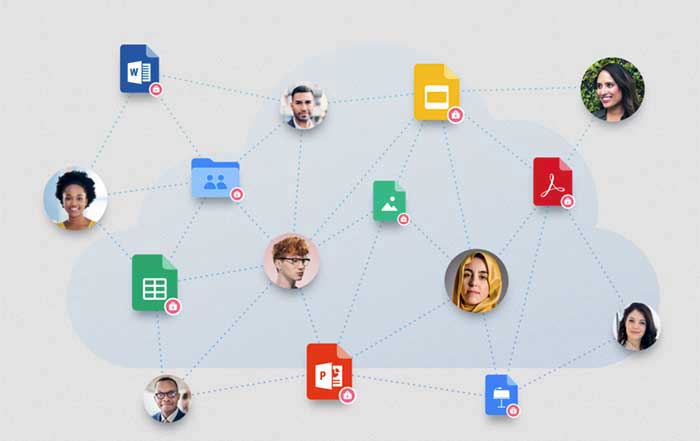
Networking has shifted decisively from contact accumulation to relationship architecture. High-performing professionals in North America, Europe, and Asia-Pacific have realized that the most valuable networks are built around reciprocity, shared standards, and consistent contribution. Instead of approaching connections as short-term exchanges, they invest in long-term relational equity, offering introductions, insights, and support before asking for anything in return.
In practice, this means participating in curated communities, industry associations, and invite-only circles where aligned values and mutual trust are prerequisites. Conferences hosted by organizations such as World Economic Forum, TechCrunch, and Forbes continue to be important touchpoints, but the emphasis has shifted from "working the room" to identifying a smaller set of meaningful relationships that can be nurtured over years. Professionals who combine these external engagements with targeted learning on career and jobs strategy at TradeProfession.com are better positioned to translate conversation into collaboration, and collaboration into revenue, investment, or strategic advantage. For those seeking a broader understanding of global relationship-building, resources from OECD and World Bank provide macroeconomic context that informs smarter networking decisions.
Mentorship as a Strategic Lever for Accelerated Growth
In 2026, mentorship has evolved into a highly structured and global practice, supported by digital platforms and data-driven matching. Executives, founders, and ambitious mid-career professionals increasingly recognize that mentorship is not a peripheral benefit but a central component of serious career design. Mentors provide more than advice; they offer pattern recognition, access to decision-makers, and real-time feedback on strategic choices that can compress years of learning into months.
Platforms such as GrowthMentor, ADPList, and Founders Network have professionalized the mentorship experience, enabling cross-border relationships that connect a founder in Berlin with an AI expert in San Francisco, or a fintech strategist in Singapore with a regulatory specialist in London. The most effective mentees reciprocate by bringing data, preparation, and execution back to each interaction, transforming guidance into measurable outcomes. Many of these mentees later transition into mentor roles themselves, creating virtuous cycles of knowledge transfer that underpin healthy entrepreneurial ecosystems. Within TradeProfession's own readership, this mentorship mindset is reflected in the popularity of its founders and executive leadership content, which emphasizes practical frameworks for building and sustaining high-value professional relationships. For broader context on leadership development, resources like Center for Creative Leadership provide additional depth.
Innovation as the Natural Expression of Intelligent Hustle
Innovation and hustle are no longer separate disciplines; in 2026 they are two sides of the same professional coin. The individuals and organizations that stand out in United States, Germany, South Korea, and Japan are those that approach every challenge as a design problem and every constraint as an opportunity to reconfigure resources. Whether they work in FinTech, EdTech, clean energy, or advanced AI, their hustle manifests as a constant search for better models, smarter tools, and more efficient processes.
This mindset is visible in how they embrace AI-powered productivity platforms, workflow automation, and predictive analytics. They use these technologies not to replace judgment but to enhance it, freeing cognitive capacity for strategic thinking, relationship-building, and creative problem-solving. Research from organizations such as McKinsey & Company and Boston Consulting Group repeatedly confirms that companies which foster intrapreneurship-structured, supported hustle within corporate environments-outperform peers in both adaptability and profitability. For readers of TradeProfession, aligning this innovation mindset with the latest technology trends and artificial intelligence insights is no longer optional; it is a prerequisite for staying relevant in a highly dynamic market.
Global Networking in a Borderless, Policy-Constrained World
While the economy is increasingly borderless from a digital standpoint, it remains heavily shaped by regulation, trade policy, and geopolitical dynamics. Professionals who hustle effectively in 2026 are those who understand both the frictionless nature of digital collaboration and the complex realities of cross-border compliance, data privacy, and market access. Executives in Canada, Australia, France, Italy, and Spain, for example, must navigate different regulatory regimes while maintaining unified global strategies.
Digital collaboration platforms such as Zoom, Slack, and Microsoft Teams continue to underpin daily operations, but serious networkers go further, immersing themselves in cross-cultural communication practices and local business norms. Programs like Y Combinator, Startup Grind, and 500 Global demonstrate how global cohorts can create enduring professional bonds that outlast any single startup or project. Meanwhile, policy-focused organizations such as World Trade Organization and International Monetary Fund shape the macro conditions in which these relationships operate. Readers who follow global economy and trade insights on TradeProfession.com gain a nuanced understanding of how to align their networking strategies with shifts in trade flows, supply chains, and investment patterns across Asia, Europe, Africa, and the Americas.
Personal Branding as a Trust Engine in High-Stakes Markets
In 2026, personal branding is less about aesthetic polish and more about verifiable substance. Decision-makers in banking, investment, stock exchange environments, and high-growth startups evaluate not only CVs but digital footprints, public commentary, and the consistency of a person's professional narrative across platforms. A strong personal brand functions as a trust engine: it reassures investors, clients, and employers that the individual behind the brand is competent, reliable, and aligned with contemporary ethical and sustainability standards.
Professionals increasingly use publishing platforms such as Medium, Substack, and LinkedIn Articles to showcase original thinking, case studies, and lessons learned from failures as well as successes. Those who combine this with active engagement in specialized communities and curated newsletters build a form of reputational gravity that pulls in opportunities organically. For the TradeProfession audience, integrating personal branding with technical expertise in areas like banking and finance, crypto and digital assets, and stock exchange dynamics creates a differentiated profile that resonates with sophisticated stakeholders. External references such as CFA Institute and Chartered Institute of Marketing further reinforce this focus on credibility and standards.
Purpose-Driven Networking and the Rise of ESG-Centric Relationships
A defining shift in the mid-2020s has been the integration of ESG (Environmental, Social, and Governance) priorities into mainstream business strategy. Networking that once revolved primarily around revenue and growth now increasingly includes conversations about climate risk, social inclusion, and governance quality. Professionals in Netherlands, Sweden, Norway, Denmark, and Finland, in particular, are at the forefront of this transition, but the trend is global. Relationships are being formed not only on the basis of commercial alignment but also shared commitments to sustainability, diversity, and responsible innovation.
Organizations such as B Lab, UN Global Compact, and Sustainable Brands provide frameworks and communities for enterprises and individuals committed to these principles. Professionals who align their hustle with such frameworks are more likely to attract purpose-driven capital, long-term customers, and resilient partnerships. For TradeProfession readers, this alignment is explored in depth within its sustainable business coverage, which connects ESG considerations to concrete outcomes such as lower capital costs, stronger brand equity, and improved talent retention. Complementary perspectives from United Nations Environment Programme and CDP further illustrate how sustainability has become a core business competency rather than a peripheral concern.
Technology, Data, and the Science of Relationship Management
The infrastructure of networking has become increasingly technical. In 2026, professionals rely on sophisticated CRM systems, AI-driven recommendation engines, and behavioral analytics to understand and manage their relationship portfolios. Tools such as Salesforce, HubSpot, and Zoho CRM integrate with communication platforms and data sources to provide a single view of interactions, enabling more thoughtful and timely engagement. AI models suggest who to follow up with, when to reach out, and what content is most likely to resonate, transforming networking from an ad hoc activity into a measurable, improvable process.
At the same time, privacy regulations such as GDPR in Europe and evolving data protection laws in Asia and North America require that this data-driven approach be implemented responsibly. Professionals who thrive in this environment are those who combine analytical rigor with respect for consent, transparency, and data minimization. For readers of TradeProfession, understanding how artificial intelligence is reshaping relationship management is essential to staying competitive without compromising trust. External resources like European Data Protection Board and NIST provide authoritative guidance on standards and best practices in this area.
Emotional Intelligence and Cross-Cultural Fluency as Core Competencies
Even as technology becomes more sophisticated, the most effective networkers distinguish themselves through emotional intelligence and cross-cultural fluency. In a world where teams are distributed across United States, India, China, South Africa, Brazil, and Malaysia, the ability to read nuance, manage conflict, and adapt communication styles has become a critical business skill. Hustle without emotional intelligence tends to generate friction and short-lived gains; hustle informed by empathy and self-awareness builds durable alliances and high-performing teams.
Organizations such as Google, Microsoft, and SAP have invested heavily in leadership programs that emphasize emotional intelligence, psychological safety, and inclusive collaboration. Educational institutions and platforms, including Yale Center for Emotional Intelligence and Coursera, offer structured curricula that help professionals develop these capabilities. For the TradeProfession community, integrating emotional intelligence with technical expertise and market knowledge-drawing on resources like education and skills development insights-creates a holistic professional profile that is both high-performing and trusted.
Financial Literacy, Digital Assets, and the Economics of Smart Hustle
As capital markets and digital assets continue to evolve, financial literacy has become a non-negotiable component of smart hustle. Professionals across North America, Europe, Asia, and Africa must understand not only traditional instruments such as equities, bonds, and real estate, but also the mechanics of decentralized finance, stablecoins, and tokenized assets. Without this knowledge, it is difficult to evaluate opportunities, negotiate fair terms, or navigate volatility in global markets.
Institutions such as Bank for International Settlements, International Organization of Securities Commissions, and Financial Stability Board publish guidance that shapes regulatory responses to crypto assets and digital markets. At the same time, platforms like Coinbase, Binance, and Kraken have normalized access to digital currencies for both retail and institutional participants. For TradeProfession readers focused on long-term resilience and opportunity capture, it is essential to integrate insights from banking, crypto, and the broader global economy into their strategic planning. External educational resources, including Investopedia and CME Group, can further deepen understanding of risk management and market structure.
Wellbeing, Sustainability of Effort, and the Ethics of Hustle
The global workforce has learned difficult lessons from the burnout waves of the early 2020s. By 2026, leading organizations and sophisticated professionals recognize that sustainable performance requires disciplined rest, mental health support, and clear boundaries. Hustle that ignores wellbeing is now widely understood as a liability rather than a badge of honor. Companies such as Atlassian, Salesforce, and Unilever have embedded wellbeing metrics into their people strategies, linking them directly to innovation, retention, and financial results.
This shift has also introduced an ethical dimension to how hustle is perceived. Aggressive, zero-sum approaches have lost legitimacy in favor of models that emphasize fairness, transparency, and long-term relationship health. Consulting firms like Deloitte and Bain & Company have codified ethical frameworks for digital conduct, data use, and stakeholder engagement, reflecting broader societal expectations. For readers of TradeProfession, aligning personal ambition with these ethical and wellbeing standards-supported by insights into employment trends and personal development-is essential for building careers and ventures that endure beyond a single market cycle.
From Networker to Thought Leader: The TradeProfession Trajectory
As professionals advance in their careers, the natural progression of effective networking is toward thought leadership. By 2026, thought leadership is no longer the exclusive domain of a few high-profile figures; it is an attainable path for any professional who consistently produces rigorous, relevant, and well-communicated insight. The most respected thought leaders in United States, United Kingdom, India, Singapore, and elsewhere combine empirical evidence with clear frameworks and ethical clarity, shaping how industries understand emerging challenges and opportunities.
Platforms such as Forbes Councils, TED, and Harvard Business School Online amplify these voices, but the foundation is built through years of disciplined hustle: studying markets, testing ideas in practice, building trust with peers, and engaging with critical feedback. Within TradeProfession.com, this trajectory is mirrored in the way readers evolve from consumers of content to contributors, sharing their experiences in innovation, marketing strategy, investment, and technology-driven transformation. External resources like Stanford Graduate School of Business and London Business School offer complementary perspectives on how thought leadership intersects with corporate governance, entrepreneurship, and global policy.
Purpose-Driven Hustle as the Defining Advantage
Across regions a clear pattern has emerged: the professionals and organizations that outperform over time are those whose hustle is anchored in a clearly articulated purpose. They understand why they are building their networks, scaling their ventures, or pursuing particular markets, and they align daily actions with that overarching mission. This clarity of purpose attracts collaborators, investors, and customers who share similar values, creating reinforcing loops of trust and opportunity.
For the community that turns to TradeProfession.com for guidance on business, economy, technology, and global trends, the message in 2026 is simple but demanding: hustle is no longer about doing more; it is about doing what matters, with the right people, in the right ecosystems, at the right time. When grounded in expertise, strengthened by ethical conduct, and amplified through thoughtful networking, this form of purpose-driven hustle becomes one of the most powerful assets a professional can cultivate in an increasingly complex and interconnected world.
