
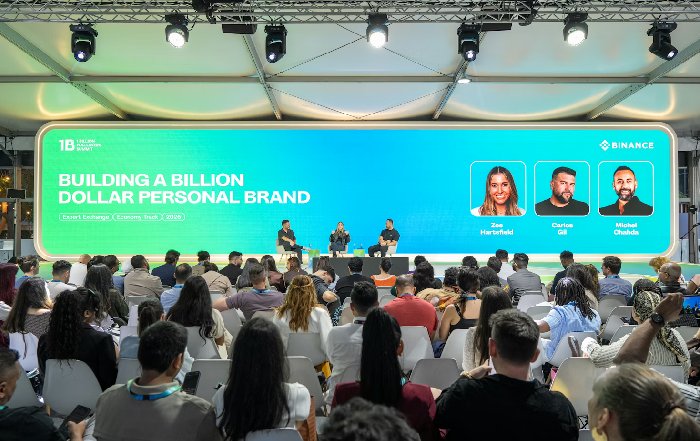
Building a Personal Brand in Digital Marketing
The Strategic Value of Personal Branding in a Saturated Digital Market
Digital marketing has matured into a highly competitive, data-driven ecosystem in which professionals and founders compete not only with organizations, but with algorithms, automation platforms, and increasingly sophisticated artificial intelligence. In this environment, a strong personal brand has moved from being a desirable differentiator to becoming a strategic necessity for executives, independent consultants, creators, and specialists across markets such as the United States, United Kingdom, Germany, Canada, Australia, and the broader regions of Europe, Asia, Africa, and South America. For readers of TradeProfession.com, who operate at the intersection of Business, Technology, Banking, Crypto, and Innovation, personal branding is no longer a purely marketing exercise; it is a core asset that influences access to capital, talent, partnerships, and leadership opportunities.
In parallel with the rapid evolution of platforms and consumer behavior, leading institutions such as Harvard Business School and INSEAD have highlighted that professional visibility and perceived expertise correlate strongly with executive mobility, investor trust, and long-term career resilience. Learn more about how digital identity shapes modern leadership trajectories on Harvard Business Review. At the same time, regulatory shifts in data privacy, the rise of generative AI, and the global fragmentation of social platforms have made digital marketing more complex, which in turn has increased the premium placed on recognizable, trustworthy individuals who can cut through noise and create direct relationships with audiences.
Against this backdrop, personal branding in digital marketing is best understood as a disciplined, long-term practice of defining, communicating, and consistently delivering a professional promise to a clearly defined audience. On TradeProfession.com, this promise is particularly important for professionals working across business strategy, artificial intelligence, investment and markets, and global economic trends, where authority, credibility, and verifiable expertise are scrutinized by sophisticated stakeholders.
Defining a Personal Brand Strategy Aligned with Business Goals
A serious approach to personal branding begins with strategic clarity. Rather than starting with platforms or content formats, experienced professionals define the positioning they want to own in the minds of a specific audience, whether that audience consists of institutional investors in New York and London, fintech product leaders in Singapore and Berlin, or marketing executives in Toronto, Sydney, and São Paulo. The most effective digital personal brands operate at the intersection of three dimensions: demonstrable expertise, market demand, and authentic professional interests.
Executives and founders who appear on TradeProfession.com often build their positioning around domains such as AI-driven marketing optimization, sustainable finance, cross-border e-commerce, or Web3 infrastructure, weaving together their past achievements, current projects, and future vision into a coherent narrative. To sharpen this narrative, many leverage frameworks from strategy consultancies such as McKinsey & Company and Boston Consulting Group, which emphasize distinctiveness, relevance, and focus. Readers can explore how strategic differentiation works in practice on McKinsey's insights hub and BCG's thought leadership.
A robust personal brand strategy also aligns with measurable business outcomes. For a senior marketer or CMO, the objective may be to attract speaking engagements and board positions; for a startup founder in Berlin or Tel Aviv, it may be to accelerate fundraising and talent acquisition; for a crypto analyst or DeFi strategist, it may be to build a reputation that converts into advisory mandates or research subscriptions. By explicitly connecting brand-building initiatives to KPIs such as qualified inbound leads, partnership opportunities, or hiring pipeline metrics, professionals avoid the trap of vanity metrics and ensure that their digital presence drives tangible value for their organizations and careers.
Crafting a Credible and Differentiated Brand Narrative
At the heart of any strong personal brand lies a narrative that communicates what an individual stands for, why they are credible, and how they create value. In digital marketing contexts, this narrative must be concise enough to be captured in a profile bio or conference introduction, yet rich enough to support long-form content, case studies, and media interviews. The most respected leaders in markets like the United States, United Kingdom, Germany, and Singapore often frame their story around a clear through-line that connects their education, early career decisions, failures, and current focus.
For example, a professional who began in traditional banking in London, moved into fintech product development in Frankfurt, and now leads AI-driven risk analytics in Toronto can legitimately position themselves at the convergence of regulated finance, data science, and digital transformation. When such a narrative is consistently articulated across platforms, it reinforces perceptions of depth and continuity rather than opportunistic repositioning. Resources from LinkedIn on modern career storytelling provide practical guidance on how to shape these narratives; learn more about effective profile positioning on LinkedIn's official blog.
In crafting this narrative, credibility is significantly strengthened by verifiable signals such as degrees from recognized institutions, contributions to respected publications, speaking roles at conferences like Web Summit, SXSW, or Money20/20, and participation in industry working groups. Professionals can monitor and align with recognized digital marketing and branding standards through organizations such as the Interactive Advertising Bureau (IAB), whose resources on digital marketing best practices help ensure that claims are grounded in industry norms. For TradeProfession.com readers operating in regulated sectors such as banking, crypto, and investment, narrative integrity is particularly important, as misalignment between online claims and regulatory records can rapidly erode trust.
Building a High-Authority Digital Presence Across Core Platforms
Once positioning and narrative are defined, the next step is to construct a digital footprint that reinforces authority and trustworthiness. In 2026, this typically starts with an optimized presence on LinkedIn, which remains the dominant professional network across North America, Europe, and much of Asia-Pacific. A well-structured profile, with a clear headline, detailed experience descriptions, featured media, and thoughtful recommendations, serves as the anchor for a personal brand, especially for executives, founders, and senior marketers who frequently appear in search results.
Beyond LinkedIn, a personal website or dedicated profile on a trusted platform such as TradeProfession.com provides a centralized, controlled environment for long-form content, case studies, media appearances, and speaking highlights. A carefully curated presence on TradeProfession's executive section or founders hub can function as a digital dossier for journalists, investors, and potential partners. In parallel, profiles on platforms like X (formerly Twitter), YouTube, and Medium allow for ongoing commentary and deeper exploration of niche topics, particularly in fast-moving areas such as AI marketing, digital banking, and Web3 infrastructure.
Search visibility remains a critical factor in perceived authority. Professionals who invest in basic search engine optimization for their names and key topics are more likely to control the first page of results, which in turn shapes how they are evaluated by boards, recruiters, and investors. Guidance from Google Search Central on how search works can help individuals understand how to structure content, metadata, and linking strategies in ways that improve discoverability without resorting to manipulative tactics. For practitioners focusing on global markets, it is also essential to consider local platforms such as WeChat and Weibo in China, LINE in Japan and Thailand, and KakaoTalk in South Korea, where professional visibility increasingly overlaps with social and commerce ecosystems.
Demonstrating Expertise Through Thought Leadership and Content
In digital marketing, expertise is not established by titles alone; it is earned and reinforced through consistent, high-quality contributions that help others solve problems, understand trends, or make better decisions. Thought leadership is the primary vehicle for this process, and in 2026 it takes multiple forms, including analytical articles, data-backed reports, podcasts, webinars, and short-form video. For the audience of TradeProfession.com, which spans fields from technology and AI to stock markets and sustainable business, the most respected personal brands tend to blend strategic insight with operational detail, sharing not only what is happening, but how to respond.
Leading organizations such as Gartner and Forrester have shown that decision-makers increasingly rely on digital content as a primary source of vendor and expert evaluation, particularly in B2B environments. Professionals who publish regular, well-researched work on platforms like TradeProfession.com, LinkedIn Articles, or Substack can therefore accelerate trust building and shorten sales cycles. Learn more about the impact of thought leadership on B2B decision-making on Gartner's research portal. For specialists in AI-driven marketing or data analytics, referencing recognized frameworks from MIT Sloan Management Review or Stanford Graduate School of Business further strengthens perceived authority; readers can explore advanced perspectives on AI and strategy on MIT Sloan's digital initiatives.
The most effective thought leadership is also anchored in original data or unique operational experience. This may involve sharing anonymized campaign performance benchmarks, lessons learned from failed product launches, or comparative analyses of marketing automation platforms across regions such as North America, Europe, and Southeast Asia. By moving beyond surface-level commentary and offering actionable, evidence-based insights, professionals signal that they are practitioners rather than commentators, which is central to the Experience and Expertise dimensions of a credible personal brand.
Leveraging Artificial Intelligence Responsibly in Personal Branding
Artificial intelligence has transformed digital marketing workflows, and by 2026, AI tools for content generation, audience segmentation, performance optimization, and reputation monitoring are deeply integrated into the daily routines of marketers and executives. However, while AI significantly increases productivity, it also raises questions about authenticity, originality, and ethical boundaries in personal branding. For the readership of TradeProfession.com, which closely follows developments in AI and innovation, the challenge is to harness AI as an accelerator without compromising the integrity and distinctiveness of the personal brand.
Professionals are increasingly using generative AI platforms to draft outlines, conduct preliminary research, and repurpose long-form content into shorter formats suitable for social distribution. At the same time, leading organizations such as OpenAI and DeepMind emphasize the importance of human oversight, fact-checking, and transparent disclosure when AI tools are used to create public-facing material. Learn more about responsible AI practices on OpenAI's policy resources and on OECD's guidance on AI principles. For individuals building personal brands, this means treating AI as a collaborator rather than a substitute, ensuring that final outputs reflect their own judgment, voice, and experience.
Reputation management also benefits from AI-driven monitoring tools that track mentions across news, social media, and forums, allowing executives and founders to respond quickly to misinformation or emerging issues. However, automated engagement or synthetic personas can erode trust if audiences perceive interactions as inauthentic. The most trusted personal brands maintain a clear line between automation used for efficiency and human presence used for relationship-building, particularly in high-stakes sectors like banking, crypto, and healthcare, where trust is fragile and regulatory oversight is tightening.
Integrating Personal Branding with Organizational and Market Context
A sophisticated personal brand does not exist in isolation; it is closely intertwined with the organization, sector, and geographic markets in which an individual operates. Executives at global banks, fintech unicorns, AI scale-ups, and marketing agencies must navigate the delicate balance between promoting their own expertise and representing their companies' values, while also respecting compliance frameworks in jurisdictions such as the United States, European Union, United Kingdom, Singapore, and Australia.
In regulated sectors, alignment with organizational communication policies and industry guidelines is essential. Resources from regulators such as the U.S. Securities and Exchange Commission (SEC) and the European Securities and Markets Authority (ESMA) provide important boundaries for what investment professionals and crypto advocates can state publicly; readers can explore these frameworks on SEC.gov and ESMA's website. For professionals featured on TradeProfession.com within banking, crypto, and investment sections, understanding these boundaries is a prerequisite to building a sustainable digital presence that does not expose them or their organizations to regulatory risk.
Market context also shapes which platforms and narratives are most effective. In North America and Western Europe, thought leadership on LinkedIn and industry podcasts may be the primary drivers of reputation, while in China, influence may be built through Zhihu, Bilibili, and long-form WeChat essays, and in markets such as Brazil, South Africa, and Malaysia, localized video content and regional media partnerships often play an outsized role. The most adaptable personal brands conduct ongoing market research, using resources such as Statista and Pew Research Center to understand regional digital behavior and tailor their channel mix accordingly; learn more about global digital trends on Statista's market data.
Education, Continuous Learning, and Skills Signaling
In a domain that evolves as quickly as digital marketing, ongoing education is integral to maintaining authority and relevance. Certifications, executive programs, and micro-credentials signal to the market that a professional is investing in their skills and staying abreast of new tools, regulations, and methodologies. Universities and platforms such as Coursera, edX, and Udacity offer specialized programs in digital marketing, data analytics, AI, and growth strategy, which can be strategically incorporated into a personal brand narrative. Readers interested in structured learning paths can explore advanced marketing programs on Coursera's catalog.
For TradeProfession.com's audience operating at the intersection of education, employment, and jobs, signaling current skills is particularly important in regions experiencing rapid digital transformation, such as Southeast Asia, Eastern Europe, and parts of Africa. Employers and clients increasingly rely on digital portfolios, GitHub repositories (for technical marketers and growth engineers), and public project write-ups to validate capabilities. Thoughtfully integrating these assets into profiles and personal websites reinforces the Expertise and Authoritativeness dimensions of personal branding, while also providing tangible evidence for recruiters and partners.
In addition to formal education, participation in professional communities and associations, such as the American Marketing Association (AMA), Chartered Institute of Marketing (CIM) in the UK, and local digital marketing associations in Germany, France, and Singapore, provides both learning and networking benefits. These memberships, when visible on profiles and bios, act as trust signals, indicating that the individual is embedded in recognized professional ecosystems and adheres to shared standards of practice.
Reputation, Ethics, and the Trust Imperative
Trust remains the cornerstone of any sustainable personal brand, particularly in fields like digital marketing where audiences are increasingly skeptical of promotional content and algorithmically amplified claims. For the global readership of TradeProfession.com, which spans investors, executives, founders, and senior practitioners, ethical conduct and transparent communication are non-negotiable components of long-term success.
Ethical personal branding involves accurate representation of achievements, clear disclosure of conflicts of interest, and respect for privacy and consent in case studies and testimonials. Organizations such as CFA Institute and PRSA (Public Relations Society of America) provide codes of ethics that, while tailored to investment and communications professionals respectively, offer broader guidance on responsible public conduct; professionals can review these frameworks on CFA Institute's ethics resources and PRSA's ethics page. For marketers working with sensitive data or in regions governed by regulations like the EU's GDPR and California's CCPA, compliance is not only a legal requirement but a signal of respect for stakeholder rights and a foundation for digital trust.
Managing reputation also requires thoughtful crisis preparedness. In a hyper-connected world where misstatements, poorly judged posts, or product failures can rapidly escalate, individuals with strong personal brands prepare response protocols in advance, aligning with their organizations' crisis communication strategies. They establish clear principles for when to apologize, when to clarify, and when to remain silent, and they ensure that their digital history reflects consistent values over time. For those featured on TradeProfession's news section, this consistency is particularly visible, as past interviews, articles, and commentary remain accessible to analysts, journalists, and regulators who evaluate not only expertise, but integrity.
Measuring Impact and Evolving the Personal Brand Over Time
A professional personal brand is not static; it evolves as markets, technologies, and career trajectories shift. Measuring impact and periodically recalibrating positioning are therefore essential practices. In 2026, sophisticated analytics tools allow individuals to track profile views, engagement quality, referral traffic to corporate or personal sites, and conversion metrics related to speaking invitations, deal flow, or candidate applications. Platforms such as Google Analytics 4, HubSpot, and Salesforce provide granular data that can be used to connect personal branding activities with business outcomes.
For executives, founders, and senior marketers, regular reviews of digital performance data, combined with qualitative feedback from peers, clients, and mentors, help identify which topics, formats, and platforms are most effective. For instance, a CMO in New York may discover that long-form LinkedIn posts drive more inbound partnership requests than conference appearances, while a fintech founder in Amsterdam may find that podcast interviews and guest articles on TradeProfession.com deliver higher-quality investor conversations than paid social campaigns. By treating personal branding as an iterative, data-informed process, professionals can ensure that their efforts remain aligned with evolving strategic priorities.
Over time, as individuals transition from operational roles into board positions, advisory work, or portfolio careers spanning multiple ventures, their personal brands must shift from execution-focused narratives to those emphasizing governance, mentorship, and ecosystem leadership. On TradeProfession.com, this evolution is often visible as contributors move from tactical marketing pieces to broader reflections on global economic shifts, sustainable growth, and the societal impact of technology. By consciously managing this transition, professionals can preserve the Experience, Expertise, Authoritativeness, and Trustworthiness that underpin their reputation, while opening new avenues for influence and value creation.
Conclusion: Personal Branding as a Long-Term Strategic Asset to Hold Forever
In the complex, AI-accelerated, and globally interconnected digital marketing landscape, personal branding has become a long-term strategic asset for professionals across industries and regions. For the audience of TradeProfession.com, which engages daily with transformations in business models, financial systems, technology stacks, and labor markets, a well-crafted personal brand is a powerful mechanism for signaling capability, shaping opportunity, and building enduring trust.
By grounding their digital presence in clear positioning, authentic narrative, demonstrable expertise, responsible use of AI, and rigorous ethical standards, executives, founders, and specialists can create a reputation that transcends individual roles, companies, and market cycles. When supported by continuous learning, thoughtful platform selection, data-informed iteration, and alignment with organizational and regulatory contexts, this reputation becomes a durable competitive advantage, enabling individuals to navigate uncertainty, influence key debates, and contribute meaningfully to the evolving global economy that TradeProfession.com chronicles every day.
